Elegant Upholstered Dining Chairs: Comfort, Fit & Care
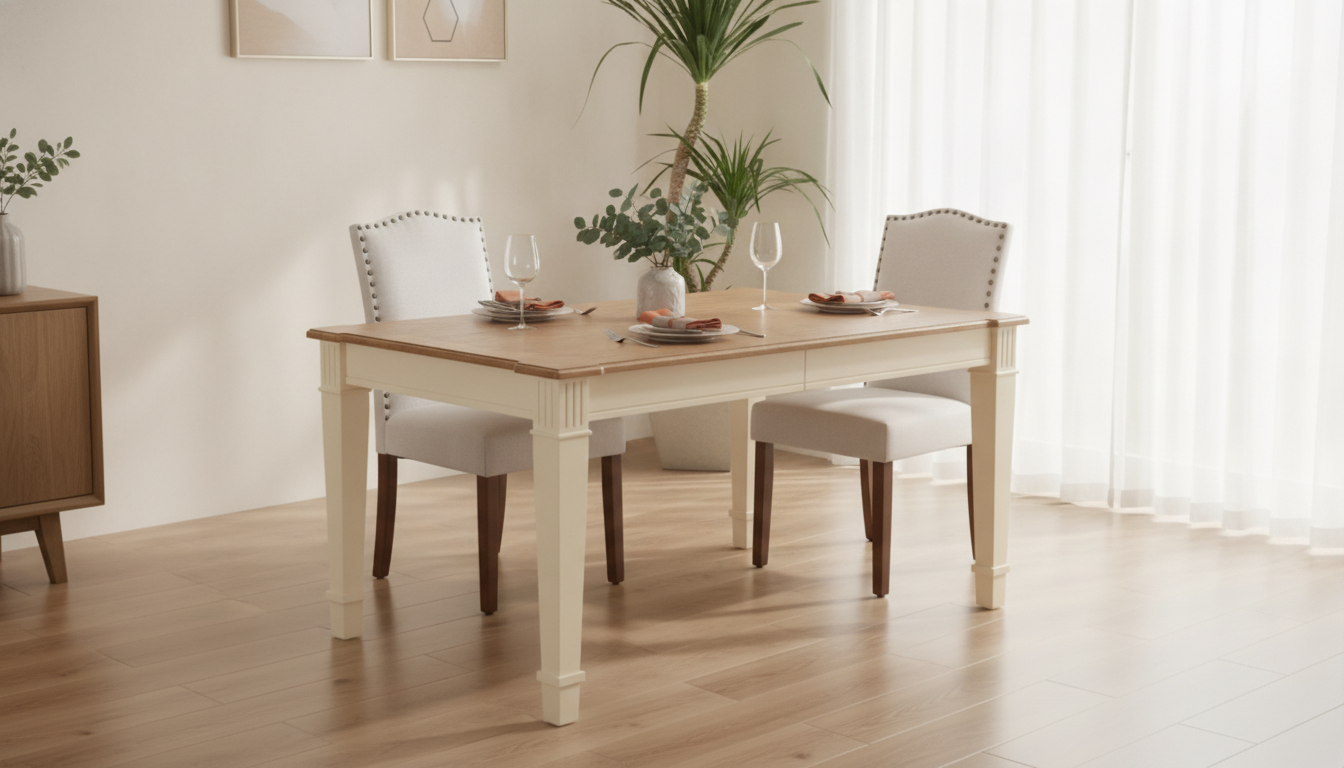
Elegant Upholstered Dining Chairs That Elevate Everyday Meals
Upholstered dining chairs add softness and polish to a dining space while making long meals noticeably more comfortable. The best choices balance scale, fabric practicality, and easy upkeep—so the chairs feel inviting day to day without overwhelming the table or tightening the walkway around it. For more guidance, see Elegant Pottery Barn 6 – Calais Upholstered Dining Table Chairs.
What Makes an Upholstered Dining Chair Feel “Elegant”
“Elegant” dining chairs don’t need ornate carving or fussy details. They look intentional from every angle and feel steady when you sit down. For further reading, see 2026 New Glam Dining Chairs | journeyhomemn.
- Clean silhouette: Tailored lines, balanced back height, and minimal visual clutter keep the chair looking refined.
- Refined upholstery details: Neat seams, smooth corners, and consistent padding create a finished look that reads higher-end.
- Supportive structure: Stable legs, a firm frame, and a back that supports posture help the chair feel substantial, not flimsy.
- Cohesive finish: Upholstery color and leg finish should complement the dining table and flooring rather than competing with them.
When shopping, it also helps to look for products designed with recognized performance expectations in mind. Organizations like BIFMA publish furniture safety and performance standards that many manufacturers reference when building seating meant for regular use.
Comfort Essentials to Look For
Dining chairs need a different kind of comfort than lounge seating: supportive enough for good posture, with padding that doesn’t feel “sinky” after a few minutes.
- Supportive seat padding: Aim for cushioning that holds you up rather than letting you bottom out or slump.
- Backrest shape: Mid-to-upper back support should feel natural and not push shoulders forward.
- Stable stance: A chair should feel secure when you shift, lean slightly, or sit down quickly.
- Armrest choice: Armless chairs tuck under many tables; arms add comfort but need more clearance and spacing.
Quick Fit and Comfort Checklist
| What to check | Why it matters | Practical target |
|---|---|---|
| Seat height vs. table | Prevents knees from bumping and keeps elbows comfortable | Leave about 10–12 in (25–30 cm) between seat and tabletop underside |
| Seat width | Avoids a cramped feel, especially for longer meals | Choose a width that allows relaxed shoulders and easy scooting |
| Back height | Sets the room’s visual tone and affects support | Mid-back for versatility; taller backs for a more formal look |
| Upholstery durability | Reduces visible wear in high-use dining areas | Look for durable weaves or performance fabrics when possible |
| Floor compatibility | Protects floors and improves glide | Use felt pads on wood; choose glides suited to tile or carpet |
Fabric and Color Choices That Stay Polished
Dining spaces are high-contact zones: hands, sleeves, crumbs, and the occasional spill. Upholstery that looks great on day one should still look pulled-together after weeknight meals and weekend hosting.
- Performance-style upholstery (when available): Built to resist stains and simplify spot-cleaning.
- Textured neutrals: Tweedy or heathered fabrics disguise lint and minor marks better than flat, dark solids.
- Color and room scale: Lighter fabrics open up smaller dining rooms; deeper tones ground larger spaces and read more formal.
- If mixing chairs: Repeat at least one element—fabric tone, leg finish, or chair shape—so the mix looks curated, not random.
Sizing and Spacing for a Comfortable Dining Layout
Even beautiful upholstered chairs can feel “too much” if the layout is tight. Because upholstery adds visual and physical bulk, spacing matters more than it does with slimmer, all-wood chairs.
- Plan elbow room: Give each seat enough space so diners can sit and stand without bumping shoulders.
- Measure table-to-wall clearance: Make sure chairs can slide out comfortably before someone stands up.
- Account for back depth: Upholstered backs can extend farther than expected—especially in breakfast nooks and banquette setups.
- Balance with a bench: If using a bench on one side, place upholstered chairs on the visible sides to keep the room feeling finished.
Styling Ideas for Different Dining Room Moods
Care and Maintenance for Upholstered Dining Chairs
A Ready-to-Refresh Option
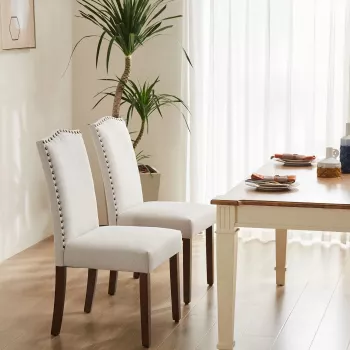
A cohesive upholstered chair set can instantly soften the dining area and make it feel more finished—especially in open layouts where the dining space is always visible. For an easy update that works for everyday meals and hosting, explore Elegant Upholstered Dining Chairs, designed to pair nicely with both wood and stone-look tables depending on your chosen palette.
For practical upkeep around the home, the 66ft Drain Cleaning Cable is a handy option to keep on hand for routine maintenance—helpful when the kitchen is getting frequent use.
FAQ
How many upholstered dining chairs fit around a standard table?
Base the number on your table length and each chair’s width, allowing enough space for elbows and easy movement. As a general rule, leave comfortable clearance at the ends of the table and enough room behind chairs so people can slide out without hitting a wall or another piece of furniture.
Are upholstered dining chairs hard to keep clean?
They’re manageable with routine vacuuming and quick spill response, especially with durable weaves or performance-style fabrics. If messes are frequent, consider darker textured neutrals or removable, washable slipcovers for simpler upkeep.
What seat height works best for dining chairs?
Aim for a consistent seat height across the set and enough leg room under your table. A common guideline is roughly 10–12 inches of space between the chair seat and the underside of the tabletop for comfortable dining posture.







Leave a comment