58mm Semi-Auto Espresso Machine: Temp Control & 20 Bar
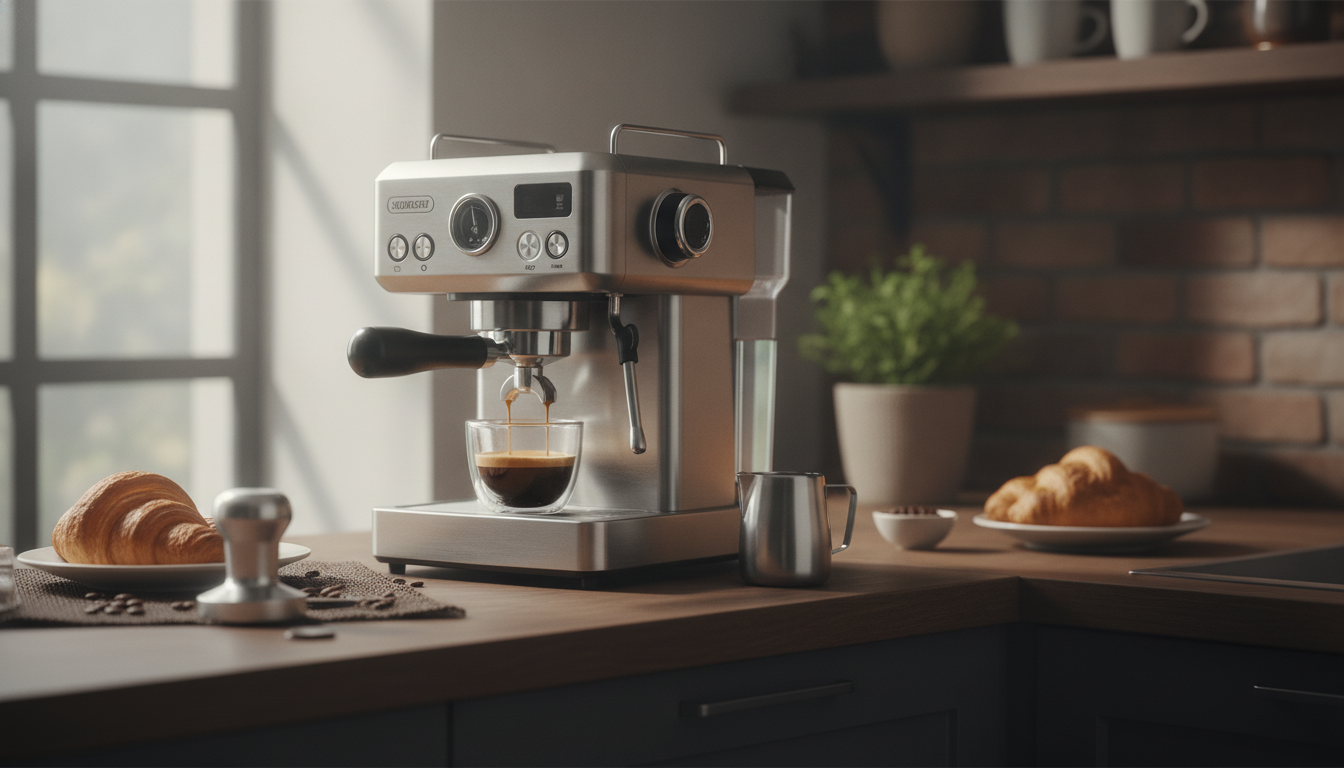
20 Bar Semi-Automatic Espresso Machine with Temperature Control (58mm Portafilter): Practical Home Bar Setup
A semi-automatic espresso machine with temperature control and a 58mm portafilter brings a café-style workflow into a home kitchen: steadier heat, repeatable shots, and the flexibility to fine-tune grind, dose, and timing. When the fundamentals are right—temperature stability, consistent puck prep, and a capable grinder—small changes become predictable, which is what makes dialing-in feel doable (and rewarding) day after day.
What matters most in a semi-automatic espresso setup
Pressure specs tend to grab attention, but espresso quality is usually decided elsewhere. Taste consistency comes primarily from stable brewing temperature, correct grind size, and a well-prepared puck that resists channeling.
- Pressure capability: A pump that can generate high pressure supports espresso-style extraction, but the goal is controlled flow through the puck—not maximum pressure at all times.
- 58mm portafilter standard: This is a widely used basket size across prosumer tools and accessories, making it easier to find compatible tampers, baskets, and workflow upgrades.
- User control: Semi-automatic brewing keeps you in charge of grind, dose, distribution, and shot timing—useful when switching between light and dark roasts or when chasing a specific flavor profile.
Temperature control: why it changes the cup
Temperature control is one of the most practical features for improving consistency. Too cool can lean sour and thin (under-extracted), while too hot can push bitterness and dryness (over-extracted), especially noticeable on lighter roasts.
- Warm-up matters: Give the machine time to fully heat-soak, then run a short blank shot to preheat the group and portafilter for more stable brewing conditions.
- Repeatable timing: Keep preheat, shot time, and workflow consistent before changing variables—this makes troubleshooting faster.
- Micro-adjustments: Small temperature tweaks can shift sweetness, acidity, and clarity without changing dose or ratio.
Quick temperature guidance by roast style
| Roast style | Typical flavor goal | Temperature approach |
|---|---|---|
| Light | More sweetness and clarity, less sharp acidity | Slightly higher; ensure full warm-up |
| Medium | Balanced sweetness and body | Middle setting; focus on grind/ratio |
| Dark | Lower bitterness, smoother finish | Slightly lower; shorten contact time if needed |
58mm portafilter: workflow benefits and accessory compatibility
A 58mm portafilter isn’t just a “pro” size—it’s a convenience multiplier. The wider basket gives more room for even distribution and a level tamp, which can reduce channeling when paired with good puck prep.
- Accessory ecosystem: 58mm tampers, distribution tools, dosing funnels, and precision baskets are widely available and easy to replace.
- More consistent puck prep: A roomy basket can make it easier to spot uneven distribution before you tamp.
- Better sealing habits: Keep the rim clean and dry before locking in the portafilter for a tight seal and fewer leaks.
Dialing in espresso at home (repeatable method)
“Dialing in” is simply running a consistent process and changing one thing at a time. A small scale and a burr grinder do more for results than chasing complicated recipes.
- Pick a starting recipe: Weigh your dose in and beverage out. A common baseline is around a 1:2 ratio (for example, 18g in to 36g out), then adjust to taste.
- Change one variable: If it runs fast and tastes sour, grind finer. If it chokes and tastes harsh, grind coarser (or lower the dose slightly).
- Read the flow: Early blonding, spurting, or split streams often point to channeling—fix distribution and tamp level before making big recipe changes.
Troubleshooting fast results
| Symptom | Likely cause | Fix |
|---|---|---|
| Shot runs too fast, tastes sour/thin | Grind too coarse or low dose | Grind finer; verify dose; tamp firmly and level |
| Shot chokes or drips, tastes harsh | Grind too fine or high dose | Grind coarser; reduce dose slightly; check basket headspace |
| Spraying/uneven flow | Channeling from poor distribution | Use a distribution tool or gentle WDT; tamp level |
Milk drinks and texture: getting café-style foam
For lattes and cappuccinos, the goal is glossy microfoam that pours smoothly and integrates with espresso. That texture comes from brief stretching (introducing air) followed by heating and polishing (breaking down large bubbles).
For technique references, resources from James Hoffmann can be helpful for visualizing steaming position and texture targets.
Daily maintenance that preserves flavor
For general guidance on coffee preparation and storage, the National Coffee Association (NCA) is a solid reference.
Simple upkeep schedule
| Task | How often | Why it matters |
|---|---|---|
| Rinse portafilter/basket and flush group | After every use | Prevents coffee oil buildup and stale taste |
| Clean drip tray and wipe exterior | Weekly | Hygiene and smoother operation |
| Descale (as needed for water hardness) | Every 1–3 months | Maintains flow, heating efficiency, and longevity |
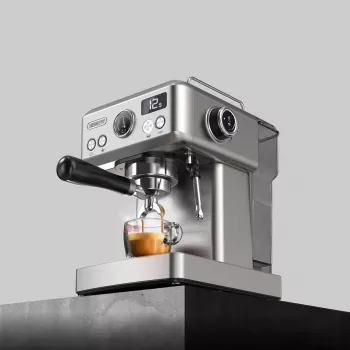
Product snapshot: 20 Bar Semi-Automatic Espresso Machine with Temperature Control (58mm Portafilter)
20 Bar Semi-Automatic Espresso Machine with Temperature Control – 58mm Portafilter
At-a-glance details
| Item | Detail |
|---|---|
| Name | 20 Bar Semi-Automatic Espresso Machine with Temperature Control – 58mm Portafilter |
| Price | $409.17 USD |
| Availability | In stock |
Helpful add-on for a smoother home setup
FAQ
Is 20 bar pressure necessary for good espresso?
No—many machines advertise high pump pressure, while extraction at the coffee puck is typically around 9 bar. Flavor consistency depends more on stable temperature, the right grind, a consistent dose, and solid puck prep than on chasing the highest pressure number.
What is the advantage of a 58mm portafilter?
A 58mm portafilter matches a common accessory and basket standard, so it’s easier to find compatible tampers, funnels, and precision baskets. The wider basket can also make distribution and tamping more forgiving, helping improve extraction consistency with good technique.
How should temperature control be used for different roasts?
Lighter roasts often benefit from slightly higher temperatures to improve sweetness and reduce sharp acidity, while darker roasts can taste smoother at slightly lower temperatures to curb bitterness. Change one variable at a time so it’s clear what improved (or hurt) the shot.










Leave a comment