66ft Drain Cleaning Cable: Clear Deep, Recurring Clogs
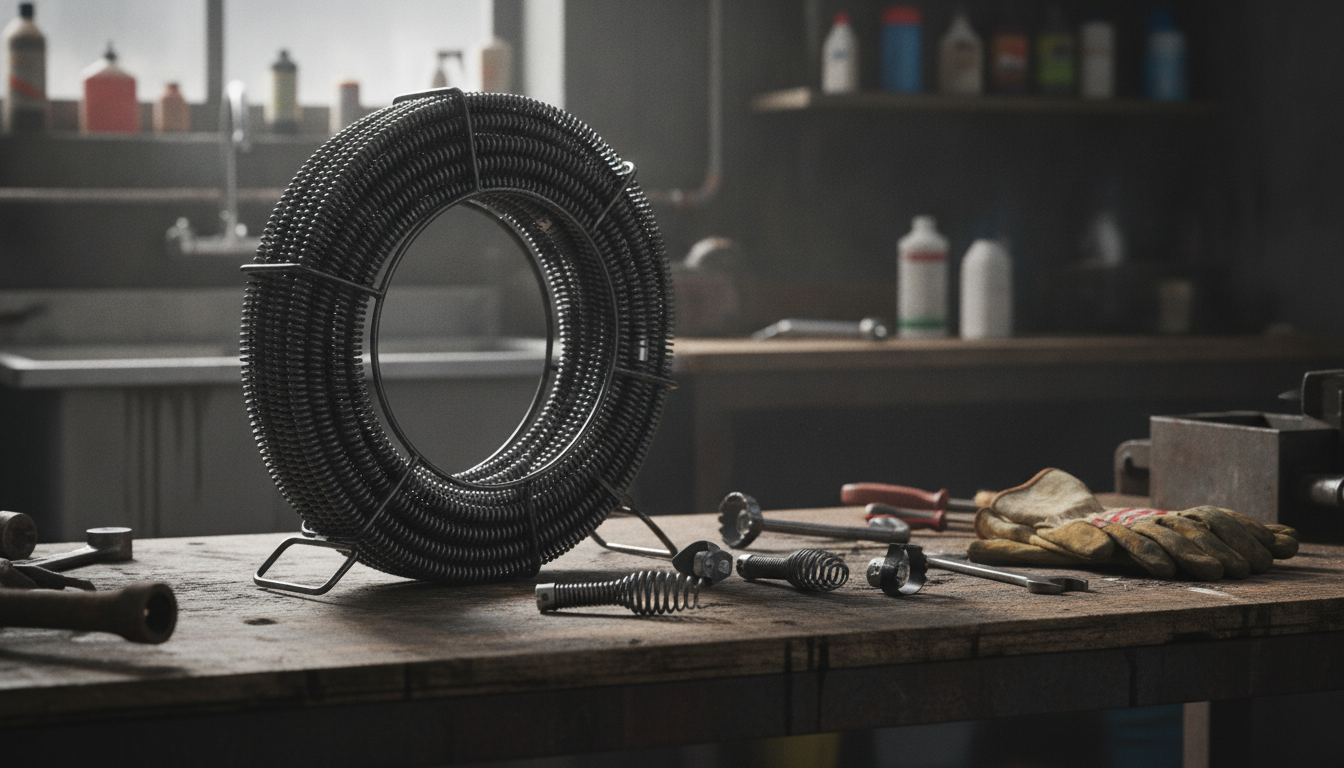
66ft Drain Cleaning Cable for Clearing Tough Clogs
A long drain cleaning cable can help break up and retrieve common blockages in sinks, tubs, showers, and floor drains—especially when a plunger or short hand snake can’t reach far enough. A 66ft cable is designed for deeper branch-line clogs where buildup collects past the trap and keeps coming back. Below is a practical guide to where this length performs best, how to use it without damaging fixtures or pipes, and what to check before buying.
What a 66ft Drain Cleaning Cable Is Best For
A 66ft drain cleaning cable gives extra reach for clogs that sit well beyond the first bend. It’s a strong choice for routine household problems where water still drains (slowly) or backs up intermittently.
- Reaching deeper clogs in longer runs where short snakes stall out
- Breaking up soft obstructions like soap scum buildup and light grease accumulations
- Hooking and pulling back hair clogs when paired with the right head/technique
- Restoring slow drains in bathrooms, laundry areas, and utility sinks
- Handling recurring clogs by cleaning beyond the trap and into the branch line
When a Cable Helps (and When It Won’t)
Drain cables shine when the blockage is soft, tangled, or lodged along the pipe wall. They’re less helpful when the issue is structural or the pipe is narrowed for many feet.
- Often effective for hair, soap, paper, and small debris lodged in bends and along pipe walls
- Less effective for hard scale/mineral deposits that narrow pipes over long distances
- Not a cure for collapsed pipes, severe root intrusion, or major bellies/sags in sewer lines
- If multiple fixtures back up at once, the issue may be in the main line and may require heavier equipment
- Repeated backups after cleaning can indicate ventilation, pipe slope, or structural problems
| Symptom | Likely area | Notes |
|---|---|---|
| Single sink slow drain | Trap or branch line | Cable can clear past the trap if fed carefully |
| Tub/shower backing up | Hair/soap clog in branch line | Work in short advances and retract often |
| Gurgling + slow drain | Partial blockage or venting issue | If venting suspected, avoid forcing the cable |
| Multiple fixtures affected | Main line or downstream blockage | Consider professional help if cable meets hard stop early |
How to Use a Drain Cleaning Cable Safely
Controlled feeding beats brute force. The goal is to work the clog apart (or retrieve it) without kinking the cable, cracking fittings, or scratching delicate surfaces.
- Wear gloves and eye protection; keep clothing and hair away from rotating/feeding cable (see OSHA PPE guidance for basic protection practices).
- Start with the least invasive access point (cleanout if available) to avoid damaging fixtures.
- Feed slowly until resistance is felt; rotate/advance in small increments rather than forcing.
- Withdraw periodically to clear debris from the head and reduce tangling.
- Stop if the cable binds hard; reverse slightly and re-advance to avoid kinks.
- Flush with hot water afterward and confirm full flow before putting fixtures back into regular use.
If the drain connects to a septic system, be conservative with what you flush afterward and maintain the system properly; the EPA septic care resources are a helpful reference.
Avoiding Common Mistakes That Damage Pipes
- Forcing through sharp resistance can kink the cable or scratch fragile piping.
- Over-rotation in small traps can cause the cable to whip and mar porcelain or chrome.
- Using harsh chemical drain cleaners before cabling can create splash hazards and pipe damage.
- Skipping a final flush leaves loosened debris to re-pack downstream.
- Cleaning only the first few feet may restore flow temporarily but leaves buildup deeper in the line.
For general household safety reminders for DIY tasks, consult the U.S. CPSC safety education resources.
Choosing the Right Length and Thickness
A longer cable isn’t automatically “better”—it’s better when your clog is farther away than your tool can reach. For many bathrooms, a short snake can catch hair at the first few bends, but recurring slow drains often come from buildup deeper in the branch line where a longer reach helps.
Featured Option: 66ft Drain Cleaning Cable
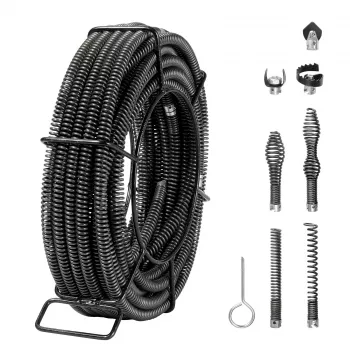
If the clog keeps returning or sits deeper than a compact hand snake can reach, the 66ft Drain Cleaning Cable is a longer-reach option for clearing household drain lines. It’s especially useful for slow bathroom drains, laundry standpipes, and utility sinks where buildup tends to collect past the trap.
| Item | Length | Price | Availability |
|---|---|---|---|
| 66ft Drain Cleaning Cable | 66 ft | $86.51 | In stock |
Also In Stock
If you’re shopping for more than one project, this item is also available: 1:14 Scale RC Excavator with 22 Channels and 680° Rotation.
Care, Cleaning, and Storage
FAQ
How far should a drain cleaning cable go into a clogged drain?
Feed it past the trap and into the branch line until you reach the resistance that feels like the clog, then work in small advances while rotating gently. Stop if it binds hard or won’t advance without force, and confirm the line is clear by flushing with plenty of water and checking for full flow.
Can a drain cleaning cable damage PVC pipes?
Yes, PVC can be scratched or fittings can be stressed if the cable is forced or over-rotated in tight bends. Use slow, controlled feeding, back off when you hit a hard jam, and avoid aggressive twisting in small traps.
Should chemical drain cleaner be used before using a cable?
Avoid it when possible because caustic chemicals can splash during cabling and may also damage pipes or fittings. If chemicals were already poured, wait per the label, use eye/skin protection, and flush with water carefully before working the cable.









Leave a comment