25Kpa Cordless Stick Vacuum: Everyday Cleanup Guide
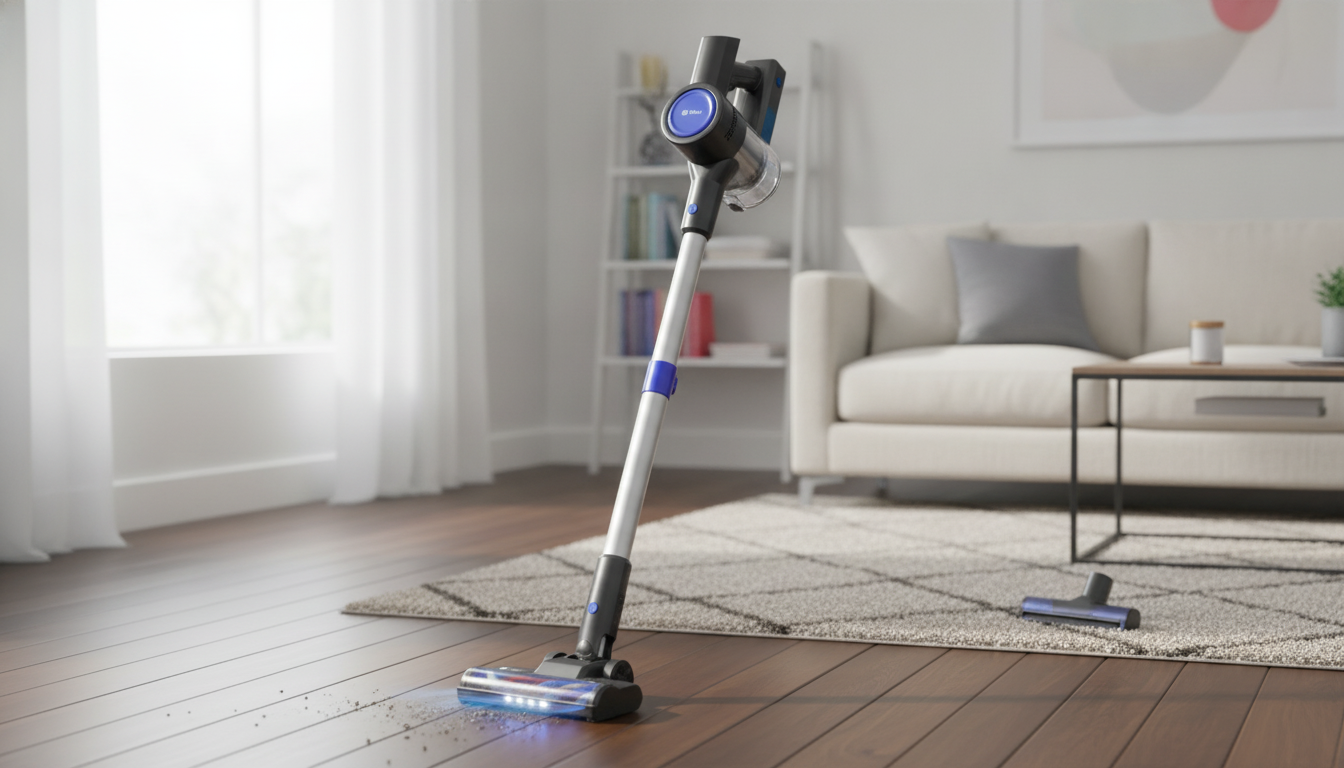
25Kpa Powerful Cordless Stick Vacuum Cleaner: A Practical Guide for Everyday Cleanups
A lightweight cordless stick vacuum can simplify daily cleanups, quick spills, and between-deep-clean maintenance—especially in homes with pets, kids, or mixed flooring. This guide breaks down what to look for, how this 25Kpa cordless stick vacuum fits common cleaning routines, and how to keep performance consistent over time.
At a glance
- Cordless stick format for fast pickup without dragging a cord room to room
- 25Kpa suction rating aimed at everyday dust, crumbs, and surface debris
- Good fit for apartments, dorms, and multi-room touch-ups where storage space is limited
- Works best when paired with routine maintenance: emptying the bin and cleaning filters regularly
Key features that matter for daily cleaning
- Suction (25Kpa): helpful for pulling grit from hard floors and low-to-medium pile rugs; performance still depends on brush design, seals, and airflow.
- Cordless convenience: quicker starts for small messes compared with pulling out a corded vacuum.
- Stick-to-handheld versatility: ideal for furniture, stairs, car interiors, and baseboards when configured for above-floor cleaning.
- Filtration: sealed airflow and multi-stage filtration can reduce the amount of fine dust released back into the room (filter type and upkeep are important). For general indoor air guidance, see the American Lung Association’s dust and indoor air quality resource.
- Weight and balance: a lighter, well-balanced vacuum reduces fatigue during longer sessions and makes overhead reach (corners, vents, stairs) less of a chore.
Unboxing, setup, and first-run checklist
A cordless vacuum often performs best when the first setup is treated like a quick “systems check.” A dust cup that isn’t fully seated, a filter that’s not installed correctly, or a seal that’s slightly out of place can translate into noticeably weaker suction.
- Charge fully before the first extended clean to help set a realistic baseline for runtime.
- Inspect air pathways: confirm the dust cup, filter(s), and any seals are seated correctly to avoid suction loss.
- Do a quick surface test: hard floor, rug edge, and upholstery to learn which attachment and power level works best.
- Set a storage spot near the most-used area (kitchen or entryway) to increase the odds of daily use.
- Keep a small brush or cloth nearby for quick filter and bin wipe-downs.
| Task | Why it helps | How often |
|---|---|---|
| Full initial charge | Establishes a reliable baseline for runtime | Once (then as needed) |
| Seat dust cup and filter(s) | Prevents airflow leaks and weak suction | After cleaning/emptying |
| Test on 3 surfaces | Matches attachments and power to mess type | Once (repeat after maintenance) |
| Choose a storage/charging area | Makes quick cleanups more likely | Once |
| Create a maintenance rhythm | Keeps suction consistent over time | Weekly (typical) |
Performance by surface and mess type
Daily cleaning is rarely one surface in one room. A cordless stick vacuum shines when it can move quickly from open floor to edges, then to a couch cushion—without stopping to swap machines.
- Hard floors: use a gentler pass for fine dust; a second pass along edges helps pick up debris trapped near baseboards.
- Area rugs and mats: short, overlapping strokes lift grit; reduce speed to let airflow do the work.
- Carpet: focus on high-traffic lanes; if the head feels resistant, switch power level or adjust technique to avoid scattering debris.
- Pet hair: steady strokes and frequent emptying help—hair fills bins quickly and can restrict airflow.
- Kitchen crumbs and entryway grit: quick “spot cleans” prevent debris from grinding into flooring.
Battery, charging, and runtime expectations
For general guidance on battery handling and safe use, review the U.S. Consumer Product Safety Commission’s lithium-ion battery safety information.
Maintenance that keeps suction strong
If you’re cleaning after moisture issues (like damp entryway mats or a musty closet), prioritize drying and ventilation first; the EPA’s guide to mold and moisture is a helpful reference.
Noise, comfort, and storage considerations
Choosing the right vacuum type for the job
| Type | Best for | Trade-offs |
|---|---|---|
| Cordless stick | Daily cleanups, stairs, quick crumbs, small homes | Runtime limits; needs regular filter/bin care |
| Corded upright | Deep carpet sessions, large areas | Heavier; cord management |
| Canister | Hard floors, edges, under furniture | More components to move/store |
| Robot vacuum | Routine dust pickup on open floors | Less effective on corners/spot messes; needs upkeep |
Who this cordless stick vacuum fits best
In-stock picks
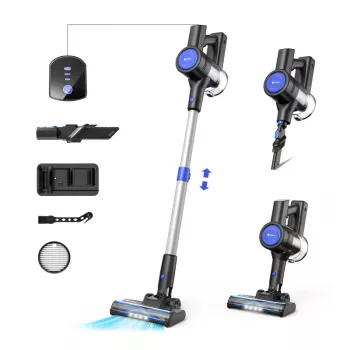
- 25Kpa Powerful Cordless Stick Vacuum Cleaner — a practical option for quick daily maintenance on mixed surfaces.
- 66ft Drain Cleaning Cable — a handy home-care tool for clearing clogs that can lead to messy backups and tougher cleanup days.
FAQ
Is 25Kpa suction enough for pet hair and carpets?
25Kpa is typically strong enough for daily pet hair pickup and light-to-moderate carpet cleaning, especially when you use steady passes and switch to higher power for concentrated areas. Results still depend on the brush/roller design, sealed airflow, and keeping the filter clean.
How often should the filter be cleaned or replaced?
Check the filter weekly if you have pets or heavy use, and clean it whenever it looks dusty; always let it dry fully before reinstalling. Replace it when it stays discolored, holds odor, or airflow drops even after cleaning (timing varies by filter type and environment).
Why does a cordless stick vacuum lose suction over time?
The most common causes are an overfilled bin, a clogged/dirty filter, hair wrap on the brush, a blockage in the wand/nozzle, or a seal that isn’t seated correctly. Troubleshoot in that order—empty the bin first, then clean the filter, then check the brush and pathways for clogs.







Leave a comment