Android 11 4K Home Projector: 580 ANSI, WiFi 6, BT
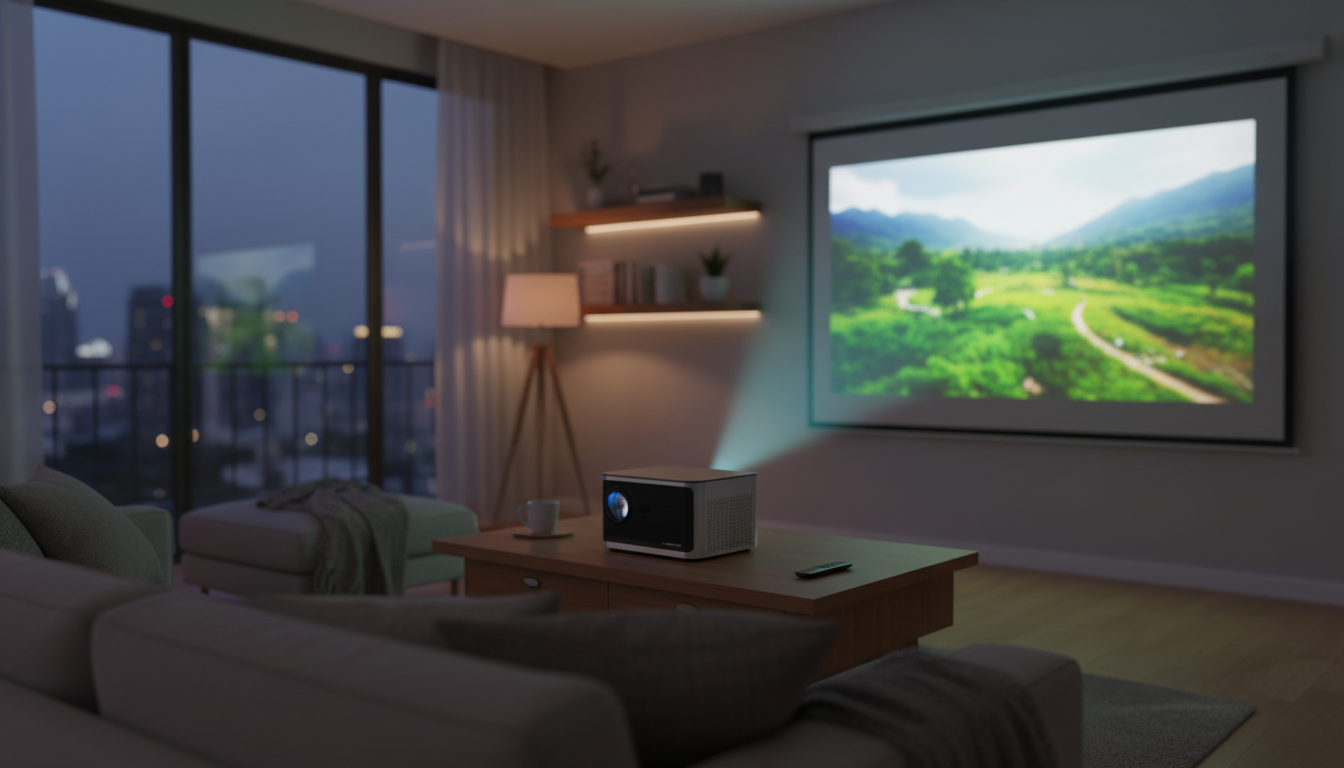
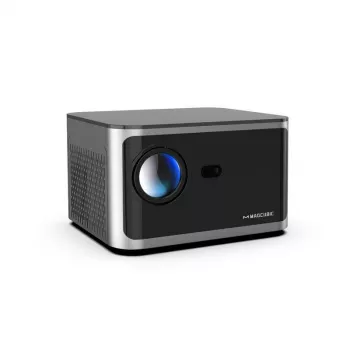
4K Android 11 Home Projector with 580 ANSI Lumens, WiFi6, and BT5.0
A compact home projector can be the easiest way to turn a blank wall into a big-screen experience—without committing to a large TV. This model combines built-in Android 11 streaming, a rated 580 ANSI lumens of brightness, plus modern wireless features like WiFi 6 and Bluetooth 5.0. Below is a practical guide to what those specs mean at home, how to dial in a sharper picture, and where this style of projector fits best (from bedrooms to backyard movie nights).
What This Projector Is Built For
This projector is designed for convenience-first home viewing. With Android 11 onboard, it’s meant to run streaming apps directly so you don’t have to plug in a separate stick for most setups. WiFi 6 helps keep streaming smoother on compatible networks, while Bluetooth 5.0 makes it simple to pair external audio—often the biggest upgrade for movie nights.
Brightness is listed in ANSI lumens, which is a more meaningful measurement than vague “lux” claims. In everyday use, that translates to best results in dim to moderately controlled lighting (especially at larger image sizes). The compact form factor also lends itself to flexible placement for casual home cinema, kids’ rooms, and portable setups.
Key Specs at a Glance
Here’s how the headline features typically translate to day-to-day performance, along with a quick reality check on “4K” marketing: many projectors support 4K playback, but perceived sharpness still depends on the projector’s native imaging hardware, focus accuracy, and the quality of the source.
Quick Specification Summary
| Feature | What to Expect in Daily Use |
|---|---|
| Brightness (580 ANSI lumens) | More trustworthy than inflated brightness claims; looks best with lights dimmed and curtains drawn |
| Android 11 | Streaming apps and navigation built in; often eliminates the need for an extra TV stick |
| WiFi 6 | More stable throughput on modern routers; can reduce buffering for HD streaming in busy homes |
| Bluetooth 5.0 | Easy pairing to speakers, soundbars, or headphones; helpful when built-in audio is limited |
| 4K playback | Can play higher-resolution sources; final crispness depends on native resolution, scaling, and careful focusing |
Picture Quality: Brightness, Color, and Sharpness
With 580 ANSI lumens, the projector is most comfortable in darker rooms or evening use. Daytime viewing is possible, but expect the image to look washed out if sunlight hits the wall or screen. If you want a deeper dive into brightness basics, ProjectorCentral’s glossary is a solid reference: https://www.projectorcentral.com/glossary.cfm.
To keep the image looking punchy, start with a smaller image size and increase it only while the picture remains readable and contrasty. Also, prioritize physical alignment over digital correction: place the projector as square to the screen/wall as possible, minimizing keystone. Heavy keystone correction can reduce apparent detail and make text look less crisp.
Finally, the surface matters. A neutral-colored wall or a basic projector screen can noticeably improve perceived contrast and color accuracy compared with textured paint or patterned wallpaper.
Streaming and Apps with Android 11
Android 11 works much like a smart TV interface: connect to Wi‑Fi, sign in to your streaming services, and keep apps updated when updates are available. If navigation ever feels sluggish, closing background apps can help, and a cleaner home screen layout can make the system feel more responsive.
For smoother playback on crowded networks, choosing 1080p streams can reduce buffering and keep motion more consistent. Save higher-bitrate options for strong, stable connections. If a specific app is missing or inconsistent, casting from a phone/tablet or using an external HDMI streaming device (if your setup supports it) can be an easy workaround.
WiFi 6 and Bluetooth 5.0: Getting Reliable Connections
WiFi 6 advantages show up most clearly when your router also supports WiFi 6 (802.11ax) and your network isn’t overloaded. Keeping the projector within reasonable range of the router matters more than chasing peak speeds. For an overview of what WiFi 6 improves, the Wi‑Fi Alliance has a helpful explainer: https://www.wi-fi.org/discover-wi-fi/wi-fi-6.
When streaming in apartments or dense neighborhoods, 5 GHz Wi‑Fi often performs better than 2.4 GHz because it faces less interference (though range can be shorter). For Bluetooth audio, pair the projector directly to your speaker or soundbar and re-pair if audio drops or the speaker auto-connects to a different device. If lip-sync delay is noticeable, switching to a wired audio connection (when available) or enabling a low-latency mode on the speaker (if supported) can tighten timing. For Bluetooth capability background, see the Bluetooth SIG overview: https://www.bluetooth.com/specifications/specs/.
Sound Options: Built-In vs. External Audio
Setup Tips for a Better Home Cinema Experience
Where It Fits Best: Rooms and Use Cases
Common Issues and Quick Fixes
Featured Picks Available Now
- 4K Android 11 Home Projector with 580 ANSI Lumens, WiFi6, and BT5.0
- Remote Control Manta Ray Shark Toy – 2.4G RC Electric Water Animal for Kids
- 1:14 Scale RC Excavator with 22 Channels and 680° Rotation
FAQ
Is 580 ANSI lumens bright enough for daytime viewing?
It works best with curtains or reduced ambient light. In full daylight, the image can look washed out, so a smaller image size and a darker room usually improve results.
Can it stream without a TV stick?
Yes—Android 11 allows app-based streaming directly on the projector. If a particular app is missing or unstable, casting or an external streaming device can be a reliable alternative.
Can Bluetooth speakers cause audio delay?
Sometimes, especially with certain speaker models or video apps. Re-pairing can help, and using a low-latency mode (if supported) or switching to a wired audio option can reduce lip-sync issues.






Leave a comment