Cordless Clippers + Nose Trimmer Set for Home Grooming
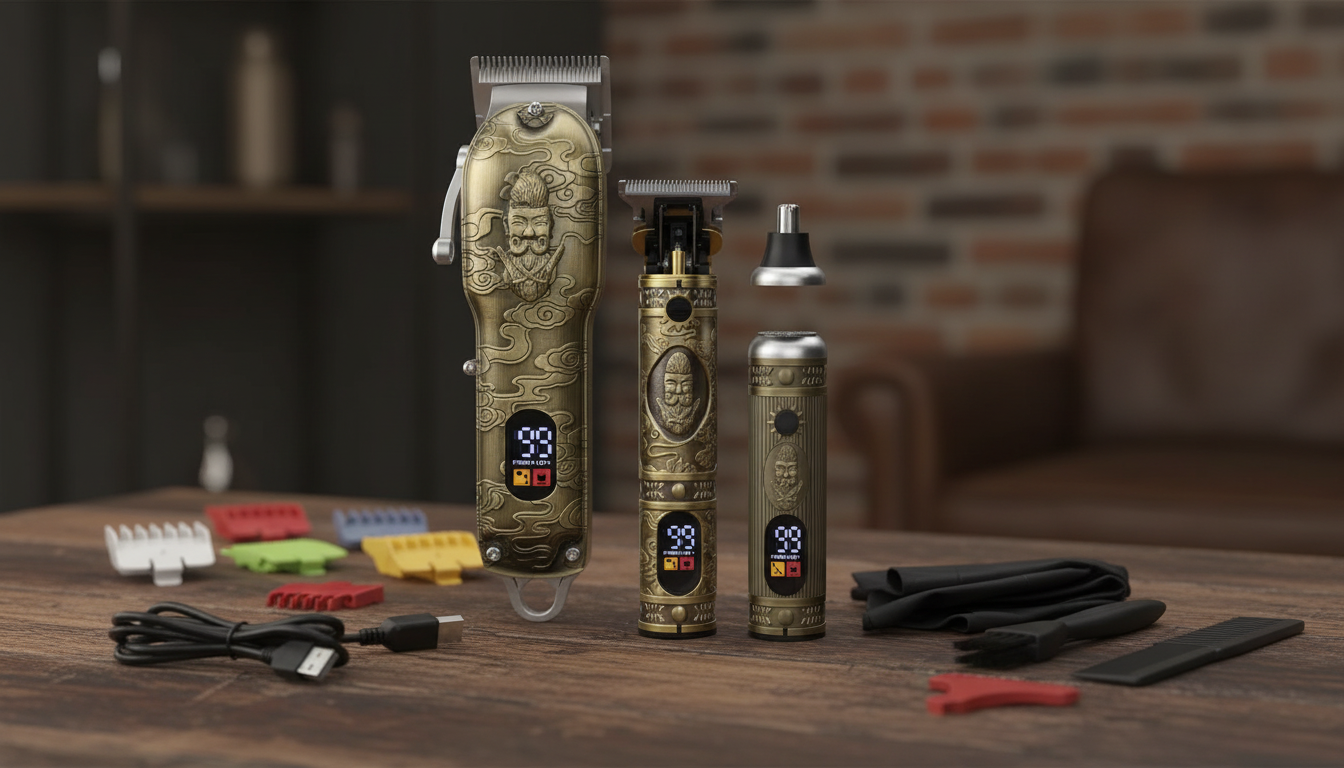
Men’s Cordless Hair Clippers and Nose Hair Trimmer Set: Clean Cuts and Quick Touch-Ups at Home
A reliable grooming routine is easier when the main haircut tool and the detail trimmer are designed to work together. A cordless clipper and nose/ear trimmer combo supports full haircuts, edging, and quick touch-ups without tethering you to an outlet—ideal for keeping a neat look between barbershop visits.
What This Set Helps With
- Home haircuts: quick trims, full buzz cuts, and simple fades with guide comb control.
- Detail work: sideburns, neckline cleanup, and around-the-ear shaping.
- Nose and ear grooming: safer, more precise trimming than scissors when used correctly.
- Travel and gym bag upkeep: cordless tools reduce the need for outlets.
Cordless Clippers: The Features That Matter Day to Day
For at-home cuts to look consistent (and feel comfortable), the basics matter more than flashy extras. These are the practical features that tend to make the biggest difference over weeks and months of use.
- Blade performance: consistent cutting without tugging is the goal, especially if hair is thick or grows in multiple directions. Tugging can turn a quick trim into a restart.
- Ergonomics: a secure, comfortable grip helps you stay steady while working around curves like the occipital bone and behind the ears.
- Battery practicality: enough runtime for a full cut plus touch-ups makes the set feel dependable. A predictable charging routine also reduces the odds of a mid-cut battery surprise.
- Noise and vibration: less vibration can improve control; lower noise can make trimming near sensitive areas feel less intimidating.
- Guard variety: more guide sizes make it easier to repeat the same length every time, which is crucial for maintenance cuts.
Nose Hair Trimmer Basics: Comfort, Safety, and Cleanliness
Nose hair grooming is about neatness, not removing everything. Nose hair plays a role in filtering particles, so trimming should focus on what’s visible rather than deep removal. The Mayo Clinic notes that trimming is typically safer than plucking, which can irritate skin and increase infection risk.
- Trim for light shaping, not deep removal: keep the trimmer at the entrance and only reduce what sticks out.
- Comfort matters: look for smooth trimming that doesn’t pinch or pull, since nasal skin is sensitive.
- Cleanliness is non-negotiable: easy-to-clean designs are a plus for tools used around the nose and ears.
- Keep it dedicated: use the nose/ear head only for those areas rather than general body trimming to keep things hygienic.
Quick Comparison: At-Home Grooming Tasks and the Right Tool
Using the right tool for each area keeps results cleaner and reduces irritation. Clippers are built for bulk removal and consistent lengths, while a nose/ear trimmer is made for small spaces and delicate detail. Avoid putting hair clippers inside the nose or ear canal.
Tool Match Guide
| Grooming task | Best tool | Tip to avoid mistakes |
|---|---|---|
| All-over buzz cut | Hair clippers | Start with a longer guard, then go shorter if needed |
| Neckline cleanup | Hair clippers | Use a mirror setup; work in small, controlled strokes |
| Around-the-ear edging | Hair clippers (careful) or detail trimmer if included | Keep skin taut and move slowly to avoid nicks |
| Nose hair shaping | Nose hair trimmer | Trim only what’s visible; avoid going too deep |
| Ear hair touch-up | Nose hair trimmer | Stay on the outer ear; don’t insert into the canal |
Simple Routine for Better Results
A repeatable routine helps prevent uneven patches and overcorrecting. Keeping the steps consistent also makes future touch-ups faster.
- Before trimming: start with clean, dry hair for more consistent length control (wet hair can sit differently and hide uneven areas).
- Set up lighting and mirrors: use a front mirror plus a handheld mirror for the back of the head; bright, even lighting reduces missed spots.
- Work top-to-sides-to-back: follow the same order each time so you can compare symmetry and spot differences earlier.
- Blend gradually: change guard lengths one step at a time rather than making big jumps, especially around the parietal ridge where lines show easily.
- Finish with detail work: do the neckline and sideburns last to “frame” the haircut and keep edges crisp.
If irritation shows up after edging or tight lineups, adjust technique and pressure. The American Academy of Dermatology Association recommends approaches like avoiding overly close passes and reducing friction—good principles that also apply when detailing with grooming tools.
Cleaning, Care, and Storage
Cleaning is what keeps a set performing like it did on day one. Dull or clogged blades are a common reason clippers start snagging hair or feeling uneven.
Who This Set Fits Best
Product Options Available
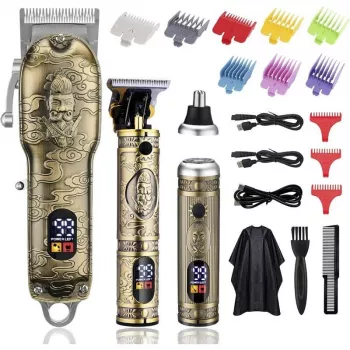
- Men’s Cordless Hair Clippers and Nose Hair Trimmer Set: a combined solution for haircuts and quick facial-detail grooming. Check the product page for what’s included (attachments, guards, charging method) and any care instructions provided by the seller.
- 66ft Drain Cleaning Cable: a practical home-care tool to keep on hand for routine upkeep.
FAQ
Is it safe to trim nose hair?
Trimming only the visible nose hair is generally safer than removing it completely. Avoid deep trimming, keep the tool clean, and stop if you notice irritation or pain.
How often should clipper blades be cleaned and oiled?
Brush out hair after each use to prevent buildup. Oil as often as the manufacturer recommends, and consider adding a drop when you notice extra noise, heat, or tugging.
What guard length should be used for a first-time home haircut?
Start with a longer guard than you think you need, then step down gradually until the length looks right. Use consistent direction and check symmetry often before going shorter.










Leave a comment