Extra-Wide 4-Tier Greenhouse Shelving (2-Pack) Guide
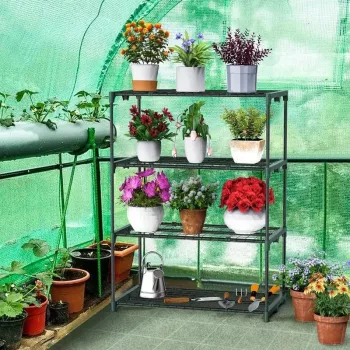
2 Pack Extra-Wide Metal Greenhouse Shelving: Portable 4-Tier Plant Stand Rack
Extra-wide, multi-tier shelving helps organize seedlings, potted plants, and garden supplies without sacrificing floor space. This two-pack metal rack set is designed for quick setup, easy repositioning, and practical vertical storage in greenhouses, sunrooms, garages, or covered patios. By moving containers up off the ground and stacking them in a stable footprint, it becomes easier to water, monitor pests, rotate plants for even growth, and keep walkways clear during the busiest parts of the season.
Featured in-stock picks
- 2 Pack Extra-Wide Metal Greenhouse Shelving, Portable Plant Stand Rack, 4 Tier — $68.97
- 66ft Drain Cleaning Cable — $86.51 (helpful for clearing clogged greenhouse or patio drain lines near watering areas)
What comes in the set
- Two matching extra-wide shelving units for doubling usable growing and storage space.
- Four tiers per unit for staging plants by light needs, growth stage, or watering schedule.
- Open-shelf design promotes airflow around pots and trays, helping surfaces dry faster after watering.
- Portable format makes it easier to reconfigure layouts seasonally (seed-starting, hardening off, overwintering).
Where extra-wide shelving makes the biggest difference
- Greenhouse aisles: keep pots off the ground to reduce splashing and make cleanup easier.
- Seed-starting stations: place heat mats and flats on lower tiers while keeping taller plants higher up.
- Sunrooms and bright indoor corners: create a vertical plant display without needing permanent furniture.
- Garage or shed: store watering cans, soil amendments, trays, and small tools in one footprint.
- Apartment balconies (covered): organize container gardens while keeping walkways clear.
Planning your space before setup
- Measure first: confirm the placement area and leave clearance behind and above the rack for taller plants and easy watering access.
- Plan for water management: add drip trays to each tier or reserve one level as a “watering zone” to contain runoff. For general container-watering best practices and avoiding waterlogging, reference guidance from the Royal Horticultural Society.
- Group by weight and stability: heavier pots and soil bags belong on lower tiers; lighter seedlings and small herb pots can sit higher.
- Prevent shading issues: in a greenhouse, position shelving so it doesn’t block light-sensitive plants behind it—stagger heights, rotate trays, or keep taller items toward the ends.
Assembly and portability considerations
- Choose a flat surface during assembly to keep the frame square and reduce wobble.
- Tighten fasteners evenly across the frame rather than fully tightening one corner at a time.
- After loading plants, lift from the frame (not the shelves) when repositioning to reduce stress on joints.
- For frequent moves, keep the heaviest items on the bottom tier and avoid top-heavy arrangements.
Suggested tier-by-tier layout for healthy plants
- Bottom tier: the heaviest containers, bags of potting mix, or watering supplies; this improves overall stability.
- Middle tiers: most daily-use plants (herbs, flowering annuals, medium pots) for easy reach and routine checks.
- Top tier: smaller, lightweight pots or propagation trays that benefit from slightly warmer air near the top of a greenhouse.
- Keep a small gap between pots for airflow and easier pest inspection; rotate trays weekly to even out light exposure.
| Tier | Best for | Notes |
|---|---|---|
| Top | Lightweight seedlings, small pots | Avoid tall, top-heavy plants to reduce tipping risk |
| Upper-middle | Herbs, compact flowering plants | Good reach height for routine pinching and pruning |
| Lower-middle | Medium pots, grow bags (small) | Use drip trays to protect flooring and reduce mess |
| Bottom | Heaviest pots, soil bags, watering cans | Maximizes stability; best place for weight |
Durability and care for metal greenhouse shelving
- Wipe down shelves periodically to remove fertilizer salts and mineral buildup that can accelerate corrosion over time.
- Use saucers or trays under pots to reduce standing water on shelves, especially in humid greenhouse conditions.
- If used outdoors, place the rack under cover when possible and avoid direct contact with wet soil or lawn areas.
- Check fasteners at the start of each season; small retightening can prevent wobble as the rack is moved and reloaded.
For broader greenhouse organization and management ideas, the University of Georgia Extension offers practical resources that pair well with a modular shelving setup.
Safety and stability tips
- Distribute weight evenly across each tier to prevent sagging or twisting.
- Avoid overloading the top tier; keep the center of gravity low for stability in breezy greenhouses or on uneven floors.
- If the rack is placed near doors or vents, ensure it won’t be bumped—use a wider walkway buffer in high-traffic areas.
- For households with pets or kids, place heavier and breakable planters on lower tiers and keep sharp tools stored separately.
If reaching upper tiers requires a step stool, follow general working-at-height safety practices such as those outlined by CDC/NIOSH.
Good fits for common plant containers
When a two-pack setup is the right choice
FAQ
How much weight can each tier hold?
Weight capacity depends on the frame design and how evenly the load is distributed across the shelf surface. For best stability, keep the heaviest items on the bottom tier and spread pots and supplies across the full shelf area; check the product page for any listed maximum load limits.
Can metal greenhouse shelving be used outdoors without rusting?
Metal racks typically last longer under cover, such as in a greenhouse or on a covered patio. Using drip trays, minimizing standing water, and wiping off fertilizer residue helps reduce corrosion risk over time.
Will standard seed trays and humidity domes fit on the tiers?
Most standard trays work well on extra-wide shelves, but it’s best to measure the tray footprint and dome height against the shelf spacing. If a dome is tall, place it on the top tier or leave the tier above it clear.









Leave a comment