Pet Road Trip Checklist: Safe Travel for Dogs & Cats
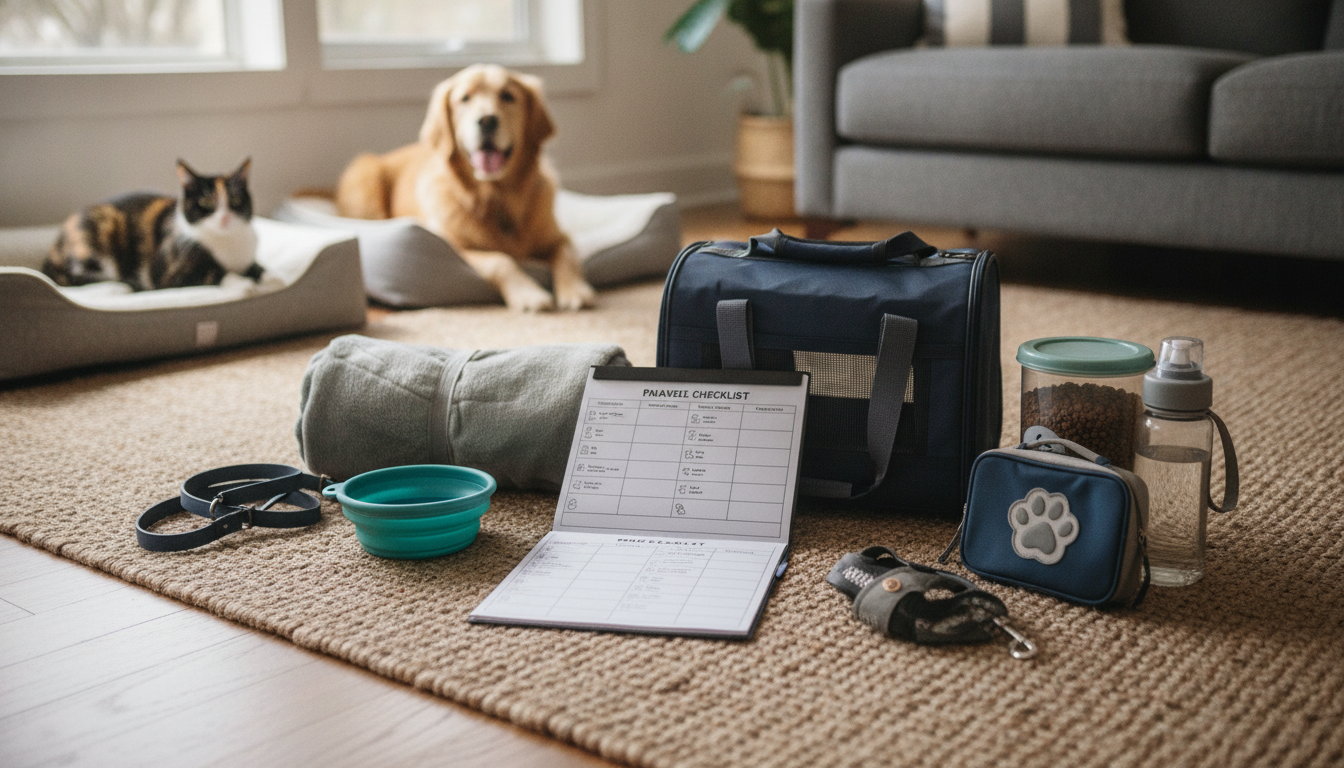
Pet Travel Essentials Checklist for Safe Trips (Dogs & Cats)
A calm, safe trip with a dog or cat starts with preparation: health paperwork, secure transport, familiar comforts, and a plan for food, water, and breaks. The checklist below is designed like a printable packing roadmap for road trips, weekend getaways, and longer vacations—easy to scan the night before departure and quick to re-check at each stop.
Before You Pack: Quick Safety Prep
- Confirm pet ID. Check the collar tag for a current phone number, confirm microchip registration is updated, and save a recent photo on your phone (full body and face).
- Schedule a vet check if needed. This is especially helpful for senior pets, chronic conditions, or longer drives. Ask about motion sickness and anxiety options well before travel day.
- Gather travel documents. Bring vaccination records, a rabies certificate, and any destination-specific requirements (hotel, airline, park, or state/country rules). Guidance can vary by location; reference CDC pet travel tips and USDA APHIS pet travel requirements when crossing borders.
- Choose the safest restraint method. Use a crash-tested harness/seatbelt for dogs or a secured carrier for dogs and cats. Pets should never ride loose in the vehicle.
- Plan the route and routines. Decide ahead of time on feeding times, potty/litter breaks, exercise stops, and what you’ll do if there are delays or detours.
Printable Packing Checklist: Road Trip & Vacation Essentials
Pack by category, then do a final “door check” for paperwork, medications, and restraint gear. For small items that are easy to misplace (leash, waste bags, ID tags), bringing duplicates can prevent one missing item from derailing the entire trip.
If you want a ready-to-print version you can reuse, keep a copy of Printable pet travel essentials checklist and planner in your glove box or travel tote. For family trips where kids need something to do at the destination, the Remote Control Manta Ray Shark Toy – 2.4G RC Electric Water Animal for Kids can be an easy pack-in for downtime near a pool or calm water (separate from your pet’s items to avoid accidental chewing).
Pet Travel Packing List (Dogs & Cats)
| Category | Essentials to Pack | Notes / When to Use |
|---|---|---|
| Documents & ID | Rabies/vaccine records, microchip info, recent pet photo, vet contact card | Keep in a waterproof folder; photo helps if separated |
| Safety & Restraint | Carrier/crate, seatbelt harness (dogs), leash + backup leash, reflective gear | Secure carrier with seatbelt; avoid front seat/airbag zone |
| Food & Water | Food for trip + extra, collapsible bowls, bottled water or jug, treats | Switching water/food can upset stomach—bring familiar supplies |
| Health & Meds | Daily meds, flea/tick preventives, pet-safe wipes, thermometer, tick remover | Pack meds in original containers; set phone reminders |
| First Aid | Gauze, non-stick pads, vet wrap, antiseptic wipes, saline, blunt scissors | Know location of 24/7 emergency vet near destination |
| Comfort & Calm | Favorite blanket, bed, toy, pheromone spray, calming wrap (if used) | Familiar scent reduces stress in new places |
| Cleanup & Hygiene | Waste bags, litter + small pan (cats), paper towels, enzymatic cleaner | Enzymatic cleaner is best for accidents in cars/hotels |
| Weather & Outdoors | Booties, paw balm, jacket, cooling towel, portable shade, rain cover | Plan for hot pavement, cold nights, and sudden storms |
| Feeding/Enrichment | Lick mat, puzzle toy, chew, long-lasting treat (as tolerated) | Useful for hotel downtime and decompressing after travel |
| Overnight Stay | Crate/pen, door sign “Pet Inside”, baby gate (optional) | Prevents door-dash and helps housekeeping safety |
Car Travel Rules That Prevent Most Problems
- No laps, no loose pets. Unrestrained animals can be injured in sudden stops and can also distract the driver.
- Manage temperature and airflow. Keep steady ventilation and avoid leaving pets in parked cars, even during “quick” stops.
- Build in real breaks. Every 2–3 hours is a practical rhythm for most dogs: short leash walk, water, and a quick check for panting, paw issues, and hydration.
- For cats, keep the carrier closed in transit. On longer drives, offer water and a litter option during stops only in a fully closed, secure environment (doors shut, windows up).
- Reduce motion sickness risk. Skip a large meal right before departure. Smooth driving, fresh air, and vet-approved strategies can help. The AVMA travel guidance is a solid baseline for safe routines.
Hotel, Rental, and Visiting Family: Setup Checklist
- Do a 2-minute scan. Check under beds, behind furniture, open vents, toxic plants, small swallowable objects, and loose cords.
- Create a “home base” corner. Set up the bed/blanket, water bowl, and one calm enrichment item so your pet has a predictable spot to settle.
- Use a door routine. Clip the leash on before opening the door. Consider a “Pet Inside” note for housekeeping and maintenance visits.
- Bring a lightweight barrier if needed. A portable gate/pen can reduce door-dashing and help anxious pets feel contained in a new space.
Outdoor Time: Parks, Beaches, and Trails
Emergency Plan: If Something Goes Wrong
Printable Planner Tips: Pack Once, Reuse Every Trip
FAQ
How often should dogs stop on a road trip?
Every 2–3 hours is a practical guideline for a short leash walk, water, and a quick check for panting, stress, or paw irritation. Puppies, seniors, and dogs traveling in hot weather often need more frequent breaks.
What’s the safest way for a cat to travel in a car?
Use a well-ventilated carrier secured with a seatbelt. Keep the carrier closed while driving, and only offer breaks (water or a small litter option) in a fully closed, secure space.
What should be in a pet travel emergency kit?
Include basic first-aid supplies, copies of medical records, daily medications, vet contacts, a spare leash, and cleanup items. For outdoor trips, add a tick remover and antiseptic wipes for quick, safer first response.











Leave a comment