Portable Spot Cleaner for Pet Stains, Stairs & Car Seats
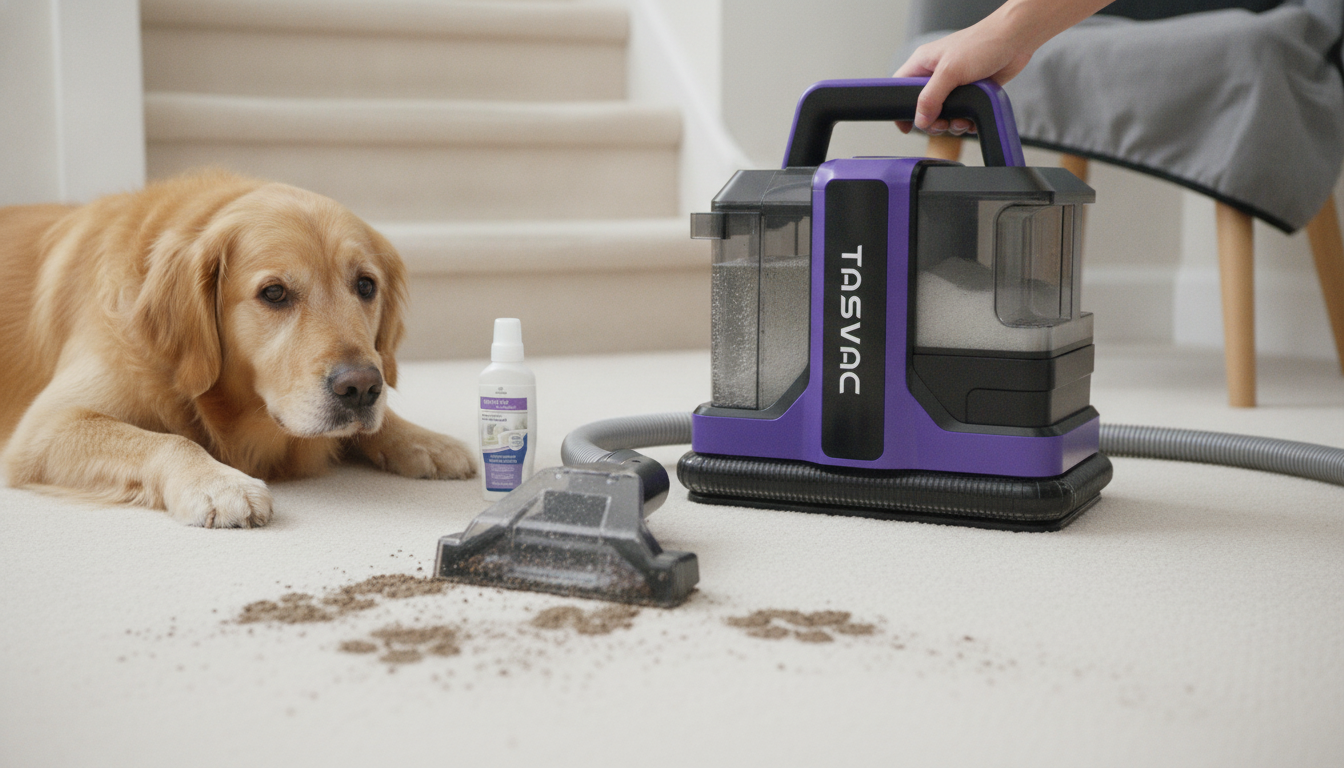
Portable Carpet & Upholstery Cleaner for Pets, Stairs, Couches & Car Seats
Pet accidents, tracked-in dirt, and mystery stains tend to show up where full-size machines struggle to reach—stairs, tight corners, couch seams, and car seats. A compact spot cleaner built for soft surfaces helps lift spills quickly, reduce lingering odors, and keep fabrics looking fresh without hauling out heavy equipment. When cleanup happens fast and extraction is thorough, stains are less likely to set and odors have less time to cling to fibers.
Why a compact spot cleaner makes a difference on soft surfaces
Soft surfaces are comfortable, but they’re also magnets for spills, body oils, and pet messes. A portable spot cleaner streamlines the job by combining targeted spray, agitation, and suction into one routine—without the setup time of a full-size carpet machine.
- Targets small-to-medium messes fast (fresh accidents, drink spills, muddy paw prints) so you can respond before stains oxidize or wick deeper into padding.
- Works on mixed surfaces around the home: carpets, area rugs, upholstered furniture, stairs, pet lounging spots, and vehicle interiors.
- Helps prevent stains from setting by pairing controlled moisture with brush action and strong extraction, rather than spreading the mess with a wet rag.
- Makes routine upkeep easier, especially for homes with pets, kids, frequent guests, or light-colored fabrics that show everything.
Where it performs best: pets, stairs, couches, and car seats
Portability matters most in the places that are awkward to clean: narrow stair treads, sofa creases, and tight vehicle footwells. A smaller cleaning head also gives better precision, which helps avoid soaking surrounding fabric.
High-impact use cases
- Pet messes: urine spots, vomit, drool, and “favorite nap zone” grime. Prioritize quick pickup and thorough extraction to reduce odor potential.
- Stairs: narrow treads and edges benefit from controlled spray so carpeting doesn’t get over-wet (a common cause of lingering damp smells).
- Couches and chairs: seams, armrests, and cushion tops collect oils and dirt; short, repeated passes help avoid soaking foam.
- Car seats and floor mats: textured fabric and tight spaces respond well to slow extraction passes and quick towel-pressing afterward.
- Area rugs and runners: spot-treat spills and refresh high-traffic lanes between deeper cleanings.
Common messes and a practical cleaning approach
| Mess type | Best first step | Cleaning approach | Drying tip |
|---|---|---|---|
| Fresh pet accident | Blot (do not rub) | Light spray, gentle agitation, slow extraction passes | Press with dry towel; add airflow |
| Mud/paw prints | Let dry, then vacuum | Spray, brush lightly, extract; repeat if needed | Fan + open windows if possible |
| Food/grease spot | Scrape solids | Use small amounts of solution; avoid over-wetting; extract thoroughly | Towel press; allow extra drying time |
| Old stain/odor area | Vacuum thoroughly | Pre-treat, dwell briefly, multiple extraction passes | Dehumidifier/fan for faster dry-down |
How to use it for better results (without over-wetting)
Most “spot cleaning didn’t work” stories come down to two issues: skipping prep or using too much moisture. The goal is to lift and extract, not flood. These steps keep cleaning controlled and fabrics drying faster.
- Prep the area: remove solids, blot liquids, then vacuum dry debris so grit doesn’t turn into sludge.
- Use controlled moisture: apply short sprays rather than soaking. Too much water can push stains deeper or extend drying time.
- Agitate gently: use the brush (or a soft upholstery brush) in small circles, especially on textured fabric and stair carpet.
- Extract slowly: move the tool head slowly on the pull-back to maximize pickup. Follow with repeated dry passes with no spray.
- Rinse when appropriate: on residue-prone spills or sensitive fabrics, a light clean-water pass can help reduce leftover detergent that attracts soil.
- Drying basics: towel-press damp areas, increase airflow, and keep pets off the spot until fully dry.
For additional guidance on choosing gentler cleaning chemistry, the EPA Safer Choice program explains how certain product standards focus on ingredient safety. For pet-specific stain and odor tips, the American Kennel Club’s cleaning guidance offers practical do’s and don’ts.
What to look for before cleaning different fabrics and finishes
Not all upholstery is meant for water-based cleaning, and not all dyes behave the same. A two-minute check can prevent permanent discoloration or fabric damage.
Care and maintenance that keeps suction strong
Shop spot-cleaning essentials (in stock)
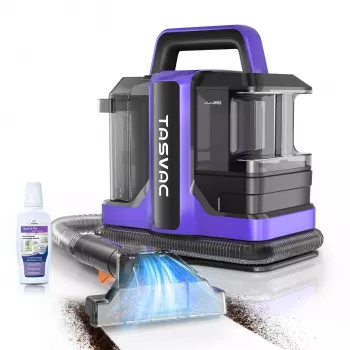
- Portable Carpet & Upholstery Cleaner for Pets, Stairs, Couches & Car Seats
- 66ft Drain Cleaning Cable
- Remote Control Manta Ray Shark Toy – 2.4G RC Electric Water Animal for Kids
Portable Carpet & Upholstery Cleaner for Pets, Stairs, Couches & Car Seats
- A compact cleaning option designed for quick response to everyday stains on carpeted steps, upholstered furniture, and vehicle interiors.
- Useful for pet households where frequent spot cleanup helps keep fabrics fresher between deep cleanings.
- Works best with a consistent routine: blot quickly, use minimal solution, then finish with slow extraction and multiple dry passes.
- See current pricing, availability, and ordering details on the product page.
FAQ
Can it remove pet urine odor from couches and carpeted stairs?
Quick cleanup plus thorough extraction helps reduce odor by removing as much residue as possible. For urine, an enzymatic or pet-odor formula and multiple slow extraction and dry passes usually improve results; older, deep-set areas may need repeated treatments and full dry-down between passes.
Is it safe to use on car seats and fabric upholstery?
It can be safe when the fabric allows water-based cleaning and you use minimal moisture. Check manufacturer tags, do a colorfast test first, avoid soaking foam, and finish with towel-pressing and strong airflow to speed drying.
How long does it take surfaces to dry after spot cleaning?
Drying commonly ranges from a few hours to overnight depending on the fabric, how much solution was used, and room ventilation. Dry passes, towel blotting, and a fan or dehumidifier can significantly shorten drying time.







Leave a comment