RC Manta Ray Shark Water Toy: Pool & Bath Fun Guide
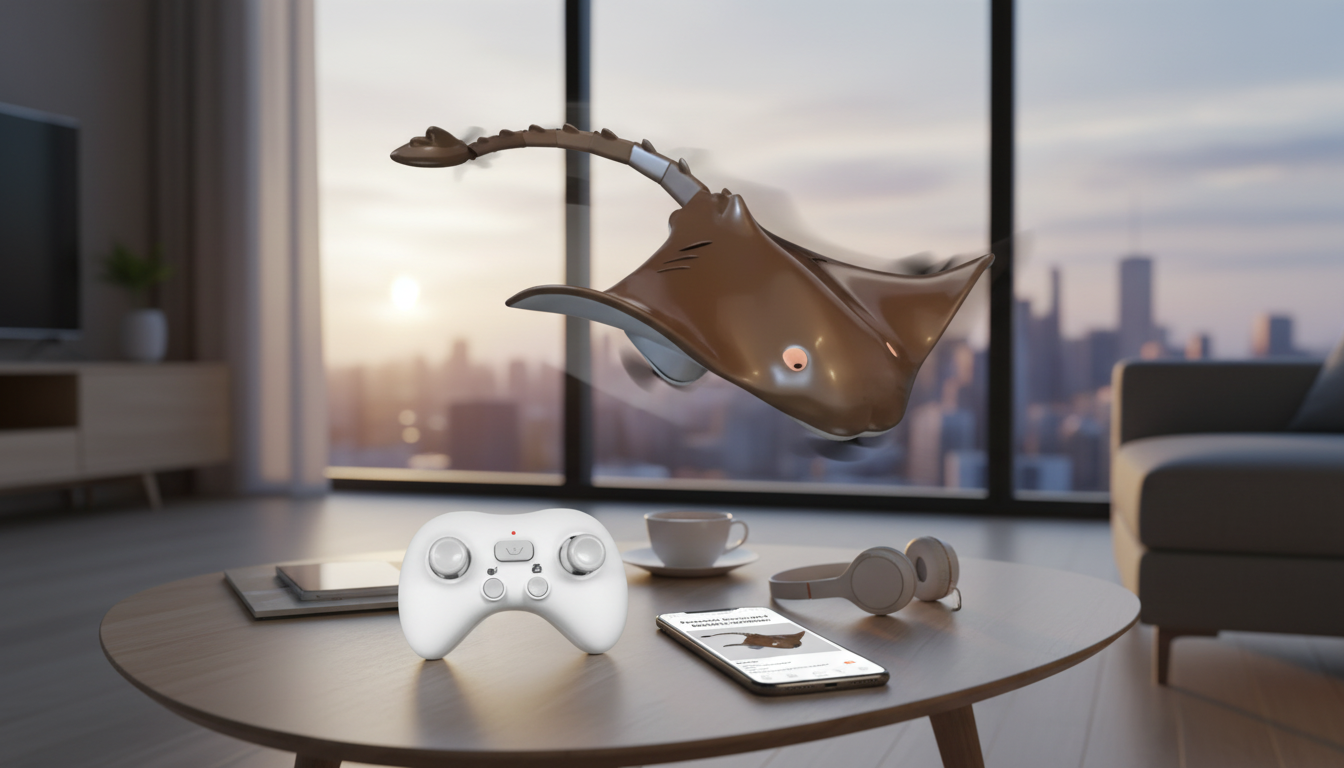
Remote Control Manta Ray Shark Toy – Water Play That Feels Like a Mini Ocean Adventure
Bath time and pool days get a serious upgrade when a water toy doesn’t just float—it glides, turns, and “swims” with purpose. A remote control manta ray shark toy is designed to move like a sea creature, giving kids a playful way to practice coordination while they imagine underwater missions, reef patrols, and deep-sea dives. Below, you’ll find a practical guide to how this type of RC water animal works, where it performs best, how to set it up for smooth runs, and how to keep it safe and in good shape for the long haul.
What This Water Animal Toy Is and How It Moves
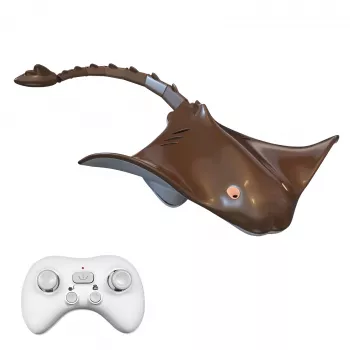
This style of RC water toy blends a manta ray look with a shark-like silhouette, creating a “hybrid sea creature” vibe that sparks imaginative play. Instead of relying on wheels or land traction, it uses an electric water-drive design built for cruising, turning, and directional control.
- Sea-creature design: The winged manta-inspired body helps it look like it’s “flying” underwater while still reading as a shark-like predator for storytelling fun.
- 2.4G remote control: 2.4 GHz control is commonly used in modern RC toys to reduce signal conflicts, especially when multiple RC toys are operating nearby.
- Water-first movement: Expect smooth gliding, playful turns, and gentle dives based on water depth, clarity, and how calm the surface is.
- Realistic expectations: These toys are best for controlled, close-to-mid range water play—not long-distance open-water cruising.
For a ready-to-go option, see the Remote Control Manta Ray Shark Toy – 2.4G RC Electric Water Animal for Kids, a kid-friendly RC water animal built specifically for aquatic movement.
Where It Works Best: Pool, Bathtub, and Calm Water Setups
Water conditions matter more than most people expect. Calm, contained environments make steering easier, retrieval simpler, and playtime less frustrating. Choppy water, strong jets, and natural currents can push the toy off course or out of range quickly.
Recommended Play Environments
| Environment | Why it works | Quick setup tip |
|---|---|---|
| Bathtub | Short-range control and easy retrieval | Fill to a depth that allows free movement without scraping the bottom |
| Kiddie pool | More space for steering practice | Use on a flat surface to prevent uneven depth and wobble |
| Calm backyard pool (shallow end) | Longer runs and wider turns | Keep it within a marked zone so it stays in easy reach |
| Open water (not recommended) | Currents and distance increase risk of losing the toy | If used, tethering/retrieval planning is essential |
Bathtub tip: Keep soap foam to a minimum. Suds can reduce visibility and make it harder to see where the toy is headed, especially if kids get excited and start splashing.
Pool tip: Start in a calm corner away from returns, steps, and skimmers so the toy doesn’t get pulled into obstacles.
Setup and First Run Checklist
A careful first setup prevents the most common problems: weak thrust, laggy steering, and water intrusion around battery doors.
- Power up fully: Charge or insert fresh batteries before the first session so the motor has consistent output.
- Check seals and closures: Confirm the battery compartment is properly closed and aligned before it touches water.
- Pair in the right order: Many models prefer remote on first, then the toy. Test responsiveness at close range.
- Start shallow: Verify forward motion and turning in shallow water before moving to deeper sections.
- After play: Remove from water, wipe dry, and let the battery area air out to help reduce corrosion risk.
For general toy safety guidance—especially around batteries and small parts—review the U.S. Consumer Product Safety Commission’s resources at CPSC – Toy Safety.
Control Tips for Smoother Steering and More Fun
RC water toys often steer best with gentle corrections rather than constant full-power turns. A little technique goes a long way.
- Use short steering taps: Make small left/right inputs instead of holding a hard turn, which can cause spinning or stalling.
- Avoid walls and steps: Bumping into pool edges adds drag and can interrupt propulsion.
- If it veers or spins: Stop, straighten the toy by hand, then restart with light throttle.
- Practice patterns: Figure-eights and slow circles build skill quickly and keep play structured.
- Multiple RC toys: Keep remotes matched to their toys, and avoid power-cycling mid-session in crowded RC play.
If you’re curious about the basics of radio-frequency devices and compliant equipment, the FCC equipment authorization overview is a helpful reference point.
Safety and Care for Water Toys
For family water safety fundamentals, see HealthyChildren.org (AAP) – Water Safety for Young Children.
Troubleshooting Common Issues
A Fun Gift Idea for Water-Loving Kids
- 1:14 Scale RC Excavator with 22 Channels and 680° Rotation for kids who also love realistic RC controls on land.
- Wooden Play Kitchen Set for Kids with Accessories – Pretend Play Toy for Girls & Boys 3+ for calmer, imaginative play between swim sessions.
FAQ
Can it be used in a bathtub as well as a pool?
Yes—bathtubs work well for short, closely supervised sessions, while pools offer more room for longer runs and wider turns. Calm water and easy retrieval make both setups more enjoyable.
What does 2.4G control help with?
2.4 GHz control typically reduces interference compared with older systems and can make it easier for multiple RC toys to operate nearby with fewer signal conflicts, depending on the specific model.
How can the toy be kept in good condition after pool use?
Rinse it with fresh water after chlorinated pool sessions, dry it thoroughly, and check the battery door and seals for a tight closure. Store it in a cool, dry place away from heat and direct sun.








Leave a comment