Stay Motivated on Low-Energy Days: Focus Triggers That Work
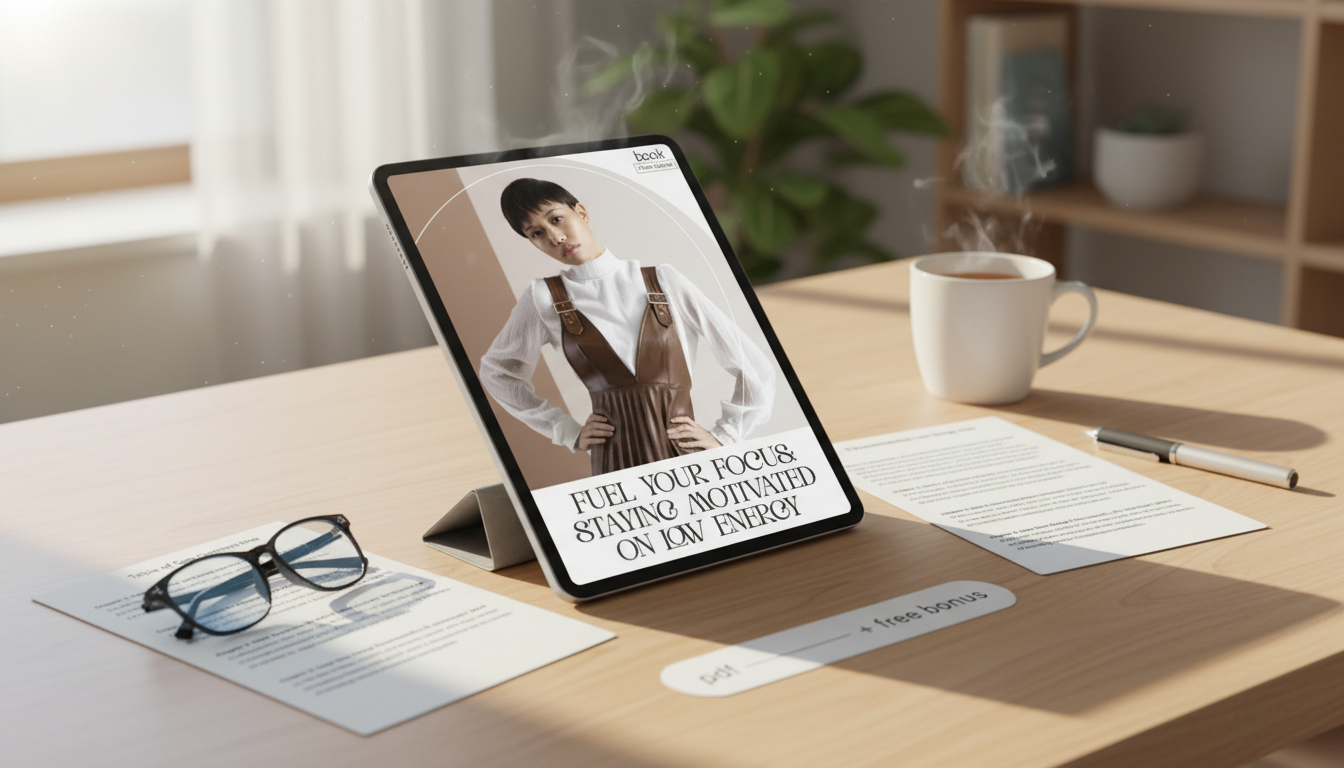
Fuel Your Focus: Practical Motivation Strategies for Low-Energy Days
Low energy can make even simple tasks feel heavy, but motivation doesn’t have to rely on willpower alone. With a few small, repeatable focus triggers and realistic expectations, it becomes easier to start, keep going, and finish key priorities—even when the body and brain feel drained. The goal isn’t to “power through” like a machine; it’s to create enough momentum to protect what matters most and reduce tomorrow’s restart resistance.
Why motivation disappears when energy is low
Motivation and energy move together. When your physical or mental resources drop, the “starting cost” of any task feels higher and the reward feels farther away. Even tasks you normally handle easily can feel vague, effortful, or annoying.
Common culprits include poor sleep, a heavy stress load, decision fatigue, irregular meals, dehydration, too many open loops, and unclear next actions. Stress can also shift attention toward threat and avoidance, which makes procrastination feel like relief rather than a problem to solve (see the American Psychological Association’s overview of how stress affects the body: https://www.apa.org/topics/stress/body).
On low-energy days, thinking often tilts toward “later” instead of “next step”—especially when tasks feel big, ambiguous, or emotionally loaded. A useful reframe: the aim is momentum and protection of essentials, not peak performance. Small wins count more on these days because they keep your systems running.
A low-energy motivation protocol (start small, stay consistent)
When energy is limited, your strategy is to lower friction and shrink the task until starting is almost automatic.
- Lower the entry barrier: define a minimum viable version of the task that takes 2–5 minutes.
- Use the 1-step rule: write the next physical action (“open document,” “reply with 2 sentences,” “put shoes on”).
- Pair effort with a cue: same time, same place, same short pre-task routine (water, light stretch, tidy surface).
- Work in short sprints: 5–15 minutes with intentional stops. Stopping while you still feel okay makes restarting easier.
- Track micro-wins: checkboxes and streaks work best when goals are small enough to win on hard days.
Low-energy strategies by time and effort
| Strategy | Time Needed | Effort Level | Best For |
|---|---|---|---|
| Two-minute start (minimum viable task) | 2–5 min | Very low | Breaking inertia |
| Single next-action list | 3–7 min | Low | Reducing overwhelm |
| 10-minute focus sprint + pause | 10–15 min | Low–medium | Regaining momentum |
| Environment reset (clear desk, open tools) | 5–10 min | Low | Removing friction |
| Light movement + water | 3–8 min | Low | Mental fog and sluggishness |
Focus triggers that work when willpower doesn’t
Willpower is unreliable when you’re tired. Triggers work better because they make the “default path” easier than the alternative.
- Friction removal: pre-open tabs, templates, and materials so starting becomes a single click or step.
- Visual narrowing: limit what’s in view; put the next task on a sticky note or at the top of a short list.
- Time boxing: decide a stop time before starting. The brain resists less when the commitment is bounded.
- Accountability without pressure: send a quick “starting now, 10 minutes” message to a friend or keep a simple timer log.
- Reward pairing: attach a small immediate reward after completion (tea, one song, a 3-minute walk).
If you need a fast reset, try a short bout of movement and hydration. Even light activity supports energy and mood over time (CDC: https://www.cdc.gov/physicalactivity/basics/pa-health/index.htm).
When low energy is a signal to slow down (not push through)
Sometimes low energy is information, not a challenge to “win.” Use a quick check-in: Are you carrying sleep debt, fighting an illness, showing signs of burnout, or feeling unusually fatigued or persistently low? If yes, prioritize recovery and support.
Sleep is a core lever for attention, learning, and emotional regulation; when it’s compromised, motivation often follows (NINDS: https://www.ninds.nih.gov/health-information/public-education/brain-basics/brain-basics-understanding-sleep). If fatigue is frequent, unexplained, or worsening, consider consulting a qualified healthcare professional.
What the “Fuel Your Focus” digital eBook helps with
For days when motivation exists but energy doesn’t, a simple structure can prevent spiraling into avoidance. Fuel Your Focus: Staying Motivated on Low Energy | Digital eBook | Ways to Stay Motivated When Energy Is Low is designed as a practical reference you can revisit whenever energy dips.
For households where interruptions are common, pairing focus sprints with a small, contained “break activity” can also help you reset between rounds. If you want an easy reward loop after a sprint, consider a fun, low-stakes break option like the Remote Control Manta Ray Shark Toy – 2.4G RC Electric Water Animal for Kids—especially when you need something playful that doesn’t pull you into an endless scroll.
How to use the eBook on a low-energy day
Who this approach fits best
Quick-start plan for the next 24 hours
FAQ
How can motivation increase when energy is low?
Motivation rises when starting gets easier: shrink the task to a 2–5 minute version, write one clear next action, and use a timer for a short sprint. Environmental cues (water, cleared surface, pre-opened tools) create momentum without relying on willpower.
What’s the best way to stay productive on a low-energy day without burning out?
Use “maintenance mode”: protect essentials, time-box work, and define a good-enough outcome before you begin. Frequent breaks, hydration, and stopping while you still feel okay help you avoid turning a low-energy day into a recovery week.
Is a digital eBook helpful if focus is inconsistent?
Yes—structured prompts, checklists, and repeatable routines reduce decision fatigue when attention is variable. It works best as a quick reference you dip into for the next step, not something you must read cover-to-cover.











Leave a comment