Under-Pillow Bluetooth Sleep Speaker: Placement & Setup
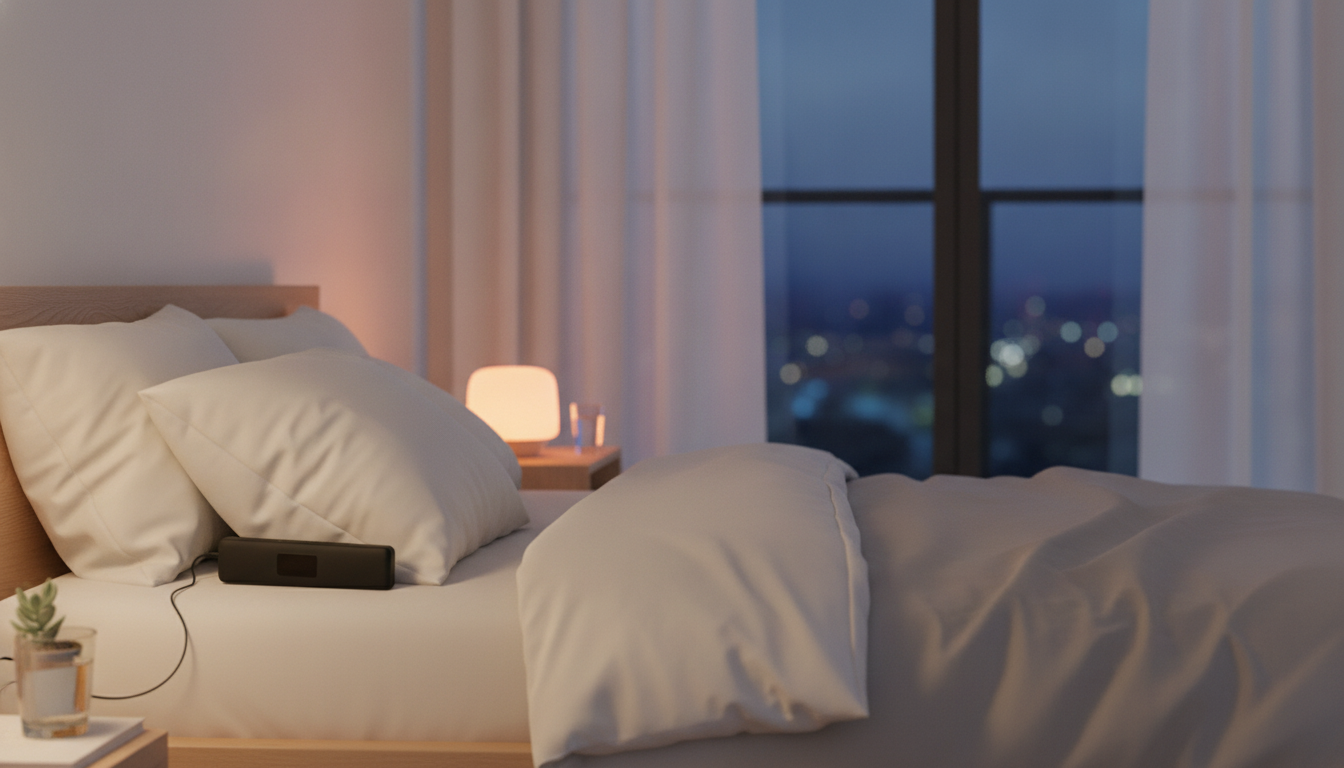
Pocket Bluetooth Speaker for Under-Pillow Listening: Bone Conduction Sleep Sound Box Guide
A pocket-sized Bluetooth speaker designed for under-pillow use can make nighttime audio more personal—keeping sound close to you without turning up the whole room. Instead of projecting audio outward like a typical bedside speaker, an under-pillow “bone conduction” style sleep sound box relies on vibration traveling through surfaces like your pillow or mattress. The result is a more private listening experience for white noise, audiobooks, guided meditation, or calming playlists—especially helpful in shared bedrooms, dorms, or hotels.
What an Under-Pillow Bone Conduction Speaker Does
An under-pillow sleep sound box converts audio into subtle vibration that carries through nearby surfaces. When placed under or beside a pillow, those vibrations can be perceived as sound close to your head, without needing the same room-filling volume a standard speaker would require.
- Uses vibration through surfaces (like a pillow or mattress) to transmit audio close to the listener.
- Designed for low-profile placement so it’s less intrusive than a standard bedside speaker.
- Common uses: white noise, nature sounds, sleep stories, audiobooks, calming playlists.
- Often chosen when shared rooms make external speaker volume disruptive.
Bluetooth is the most common connection method for this category, which means it typically works with the same apps you already use for sleep audio. If you want a quick overview of how Bluetooth connectivity is designed to work across devices, the Bluetooth SIG technology overview is a helpful reference.
Who This Sleep Sound Box Fits Best
Under-pillow speakers tend to shine when comfort and consideration for other people matter as much as the audio itself. They’re also a useful alternative for anyone who dislikes the feel of earbuds while trying to sleep.
- Light sleepers who prefer sound localized near the head rather than filling the room.
- People sharing a bedroom who want to reduce disturbance to a partner.
- Side sleepers who want a flatter alternative to earbuds (comfort depends on pillow type and placement).
- Travelers and dorm residents looking for a compact, packable solution.
Comfort, Placement, and Pillow Types
Placement matters more than raw volume. Most of the “too quiet” or “too buzzy” complaints come down to where the unit sits relative to your ear, pillow seams, and nearby hard surfaces (headboards and nightstands can amplify rattles).
- Placement sweet spot is typically near the pillow edge or under the pillow corner rather than directly under the ear.
- Thicker memory-foam pillows may dampen vibration; softer fill pillows may transmit vibration more noticeably.
- If vibration feels too strong, increase distance from the ear or add a thin towel layer between speaker and pillow.
- For partners: place the unit on the listener’s side of the bed to reduce transmission across the mattress.
Quick placement tweaks and expected results
| Adjustment | What it changes | When to try it |
|---|---|---|
| Move speaker closer to pillow edge | More direct perceived loudness | Audio feels too quiet |
| Move speaker farther from ear | Less vibration and pressure sensation | Vibration feels distracting |
| Add a thin cloth layer | Softer vibration, slightly reduced clarity | Harshness or buzzing occurs |
| Place on mattress under pillow corner | More bass-like rumble, less detail | Seeking steady white noise feel |
| Lower volume on phone, raise slowly | Reduces sudden peaks | Falling asleep to spoken audio |
Bluetooth Pairing and Bedtime Setup
A simple routine prevents the “why is it not connecting?” frustration at lights-out. The goal is to pair once, then make nightly playback as automatic as possible.
- Charge the speaker fully before first use to avoid dropouts at low battery.
- Pair once in phone Bluetooth settings; subsequent nights typically reconnect faster.
- Use a consistent audio app and a dedicated sleep playlist to reduce screen time at bedtime.
- Enable a sleep timer (in app or device) so playback stops after a set duration.
If you’re building a steadier bedtime routine overall, the National Sleep Foundation’s sleep hygiene guidance offers practical habits (consistent schedule, light management, and winding-down cues) that pair well with sound-based routines.
Sound Expectations: White Noise vs. Speech
Not all audio translates through a pillow the same way. As a rule, stable, continuous tracks perform better than dynamic, highly detailed mixes.
Safety and Sleep Hygiene Considerations
For a deeper look at hearing risk from extended or loud audio exposure, the NIDCD overview on noise-induced hearing loss is a reliable resource.
Care, Cleaning, and Travel Tips
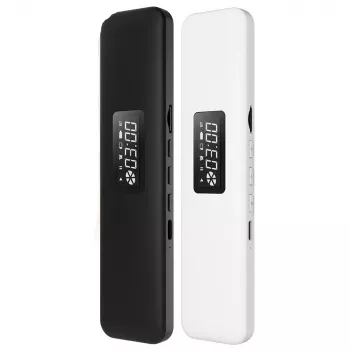
Product Option: Pocket Bluetooth Speaker – Under Pillow Bone Conduction Sleep Sound Box
Pocket Bluetooth Speaker – Under Pillow Bone Conduction Sleep Sound Box
More in-stock picks (available now)
- 66ft Drain Cleaning Cable
- Remote Control Manta Ray Shark Toy – 2.4G RC Electric Water Animal for Kids
FAQ
Can an under-pillow bone conduction speaker disturb a partner?
It can, because vibration may transfer through the pillow and mattress, but placement usually makes a big difference. Keep the unit on the listener’s side, start with lower volume, and use a sleep timer so it doesn’t run all night; mattress type and distance between sleepers also affect how much transfers.
Will it work with white noise apps and sleep timers?
Yes—Bluetooth audio typically plays through most white noise, meditation, and audiobook apps like any other speaker. Using an in-app sleep timer (or a device timer, if available) helps ensure playback stops automatically after you’ve fallen asleep.
Why does the sound seem muffled or buzzy under a pillow?
Pillow density and positioning can dampen clarity or create buzzing when the speaker presses against seams or nearby hard surfaces. Try moving it closer to the pillow edge, adding a thin cloth layer, and lowering volume peaks; also make sure it isn’t touching a headboard or nightstand edge that can rattle.







Leave a comment