Wooden Raised Bed Planter Box: Easy Flowers, Herbs & Veg
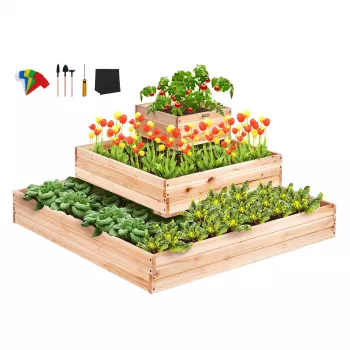
Wooden Raised Garden Bed Planter Box for Flowers, Herbs & Vegetables
A wooden raised garden bed makes it easier to grow fresh herbs, vibrant flowers, and homegrown vegetables in a tidy, space-efficient way. With improved soil control, better drainage, and a more comfortable planting height, it’s a practical upgrade for patios, decks, balconies, or backyard corners—especially when native soil is poor, compacted, or hard to work with.
Why a Wooden Raised Bed Works So Well
When space is limited (or the ground is uncooperative), a raised planter box creates a “mini garden” that’s easier to manage from day one.
- Creates a defined growing space that looks organized and intentional in small yards, patios, and side yards.
- Improves soil quality by letting gardeners choose a custom mix instead of relying on hard, sandy, or clay-heavy ground.
- Helps drainage and root health when paired with the right soil blend and a sensible drainage setup.
- Can reduce weeds and soil compaction compared with in-ground plots.
- Makes seasonal planting easier: refresh the top layer and swap in compost or slow-release amendments without digging up the whole yard.
Raised beds can also warm up a bit faster in spring, helping you get an earlier start in many regions. To time planting reliably, check your zone and typical last frost using the USDA Plant Hardiness Zone Map.
What to Look For in a Planter Box for Flowers, Herbs, and Vegetables
Not all planter boxes are built the same. A few practical details make the difference between a bed that’s easy to maintain and one that constantly needs fixes.
- Wood quality and finish: look for solid construction and an outdoor-suitable finish, or the ability to seal it for weather resistance.
- Depth and root room: herbs and many flowers need less depth than fruiting vegetables; deeper beds support stronger roots and steadier moisture.
- Drainage design: drainage holes or gaps plus breathable lining options help prevent soggy soil and root rot.
- Stability and placement: choose a level location; consider wind exposure on balconies and decks.
- Food-safe considerations: if sealing or staining, choose products labeled safe for garden use—especially when growing edibles.
If you’re new to raised gardening, the University of Minnesota Extension has a helpful overview of raised bed basics, soil, and placement considerations here: Raised Beds.
Recommended Pick: Wooden Raised Garden Bed Planter Box
If the goal is a compact, good-looking bed that supports a mix of plants, the Wooden Raised Garden Bed Planter Box for Flowers, Herbs & Vegetables is a strong option for patios, decks, and small garden spaces.
- Designed to support mixed planting—flowers for color, herbs for quick harvests, and vegetables for seasonal yields.
- A good fit for creating a compact kitchen garden near a back door or on a patio.
- Helps keep soil contained and easier to maintain, especially for gardeners who prefer a neat, raised setup.
- Pairs well with simple upgrades like breathable landscape fabric lining, a drip tray underneath (for decks), or a lightweight frost cover for early starts.
At-a-Glance Details
| Item | Details |
|---|---|
| Product | Wooden Raised Garden Bed Planter Box for Flowers, Herbs & Vegetables |
| Price | 111.32 USD |
| Availability | In stock |
| Best for | Patios, decks, small garden spaces; flowers, herbs, vegetables |
| Product page | View product |
Best Plants for a Compact Raised Bed (Easy Wins)
A smaller bed can still be productive when you choose plants that deliver fast harvests, tolerate pruning, or stay naturally compact.
- Herbs: basil, chives, parsley, cilantro, thyme, oregano—fast returns and easy to prune.
- Flowers: marigolds, nasturtiums, calendula—colorful, pollinator-friendly, and often helpful near vegetables.
- Vegetables for smaller spaces: leafy greens, radishes, green onions, bush beans, compact pepper varieties.
- Avoid overcrowding: give each plant enough airflow to reduce mildew and pest pressure.
- Companion planting tip: keep taller crops on the north side (or back) to reduce shading on shorter plants.
Soil and Drainage Setup That Prevents Common Problems
Most raised-bed frustrations trace back to two issues: heavy soil that stays wet and inconsistent watering. A balanced mix and clear drainage prevent both.
For a straightforward way to turn kitchen scraps and yard waste into garden-ready organic matter, the EPA outlines practical composting methods here: Composting at Home.
Placement and Seasonal Care
Quick Setup Checklist
More In-Stock Picks to Round Out Your Outdoor Setup
- Wooden Raised Garden Bed Planter Box for Flowers, Herbs & Vegetables (great for a tidy patio kitchen garden)
- 66ft Drain Cleaning Cable (handy for clearing stubborn clogs in outdoor drains or utility sinks)
FAQ
How deep does a raised planter box need to be for vegetables?
Shallower beds can work well for leafy greens, green onions, and radishes, while many fruiting vegetables (like peppers) do better with more root depth. Match your crop choices to the planter’s depth and use a loose, well-aerated mix so roots can expand easily.
Should the inside of a wooden planter be lined?
Lining can help reduce soil washout and limit constant soil-to-wood contact, but avoid non-breathable plastic that can trap moisture. A breathable landscape fabric is a common choice, and drainage holes should always remain clear.
What soil is best for a raised garden bed for herbs and flowers?
A raised-bed mix that includes compost for nutrients plus an aeration component (like perlite or pumice) supports healthy drainage and root oxygen. Many herbs prefer slightly leaner soil than heavy-feeding vegetables, and overwatering is a frequent cause of weak growth.









Leave a comment